
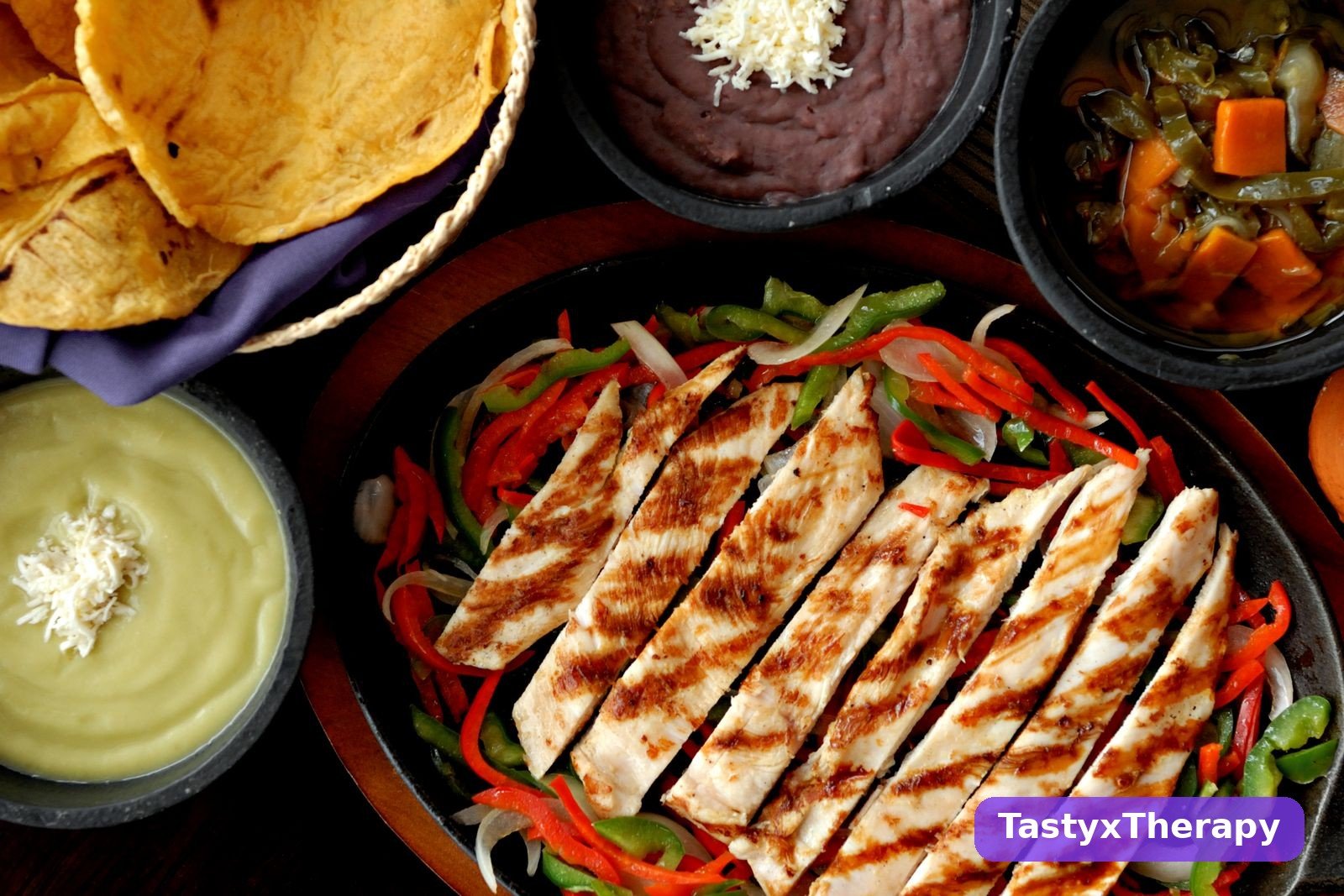
There is a particular kind of dinner that solves the problem of everyone wanting something slightly different. One person wants extra spice, another will not touch onion, a third only really cares about the rice. Chicken fajita rice bowls handle all of that without turning the cook into a short-order chef. You cook one pan of smoky chicken and peppers, one pot of rice, and a few toppings, and then everyone builds their own bowl exactly the way they like it.
I love fajitas, but the traditional version with tortillas can get messy, especially with younger children or on a night when you would rather eat at the table than chase fillings across the kitchen. Turning the same flavours into a rice bowl keeps everything that is good about fajitas — the charred peppers, the warm spices, the lime, the fresh toppings — and puts it in a form that is easier to eat, easier to pack for lunch, and easier to scale up for a crowd. It has become one of those meals I make when friends come over, because it looks colourful, it feeds a lot of people, and nobody has to be fussy about what is in it.
The other reason this recipe works so well is that it is genuinely quick. The chicken marinates while the rice cooks, the peppers take about ten minutes in a hot pan, and the toppings are mostly things you chop, not cook. From starting to sitting down, you are looking at around 35 minutes, and a good chunk of that is the rice doing its own thing while you get on with everything else.
For more everyday chicken meals in the same spirit, have a browse through the TastyxTherapy homepage, where simple, family-friendly dinners are the whole point.
What Makes a Fajita Bowl Different
A fajita, in its classic form, is grilled meat and peppers served with tortillas and toppings, and the word itself has an interesting history tied to Tex-Mex cooking. You can read more about where the dish comes from on Wikipedia’s fajita page, which traces how a fairly simple grilled-meat meal became a restaurant favourite. The rice bowl version keeps the heart of that idea — spiced, seared chicken and softened peppers — and swaps the tortilla for rice, which makes the meal more filling and a lot less messy.
Rice also changes the way the flavours work. A tortilla wraps everything together, so each bite is a mix. In a bowl, you get distinct layers: warm rice at the bottom, juicy chicken and peppers on top, then cool, fresh toppings over everything. A spoonful that catches a bit of each layer is wonderful, and you can adjust the balance as you eat, adding more salsa here, a squeeze of lime there, or an extra spoonful of beans.
The spice mix is the backbone of the whole dish. Smoked paprika gives the smokiness, cumin gives an earthy warmth, garlic powder and onion powder round it out, and a little chilli powder or cayenne gives heat you can control. Shop-bought fajita seasoning will work in a pinch, and there is no shame in using it, but mixing your own takes two minutes and lets you decide exactly how spicy, salty, or smoky you want it. Once you have mixed it once, you will probably keep a small jar of it in the cupboard for other meals too.
Ingredients You Will Need
For the chicken and peppers, for four servings:
- 600g boneless, skinless chicken breasts or thighs, sliced into strips
- 2 tablespoons olive oil, plus a little more for the pan
- 1 teaspoon smoked paprika
- 1 teaspoon ground cumin
- 1 teaspoon garlic powder
- 1/2 teaspoon onion powder
- 1/2 teaspoon chilli powder (adjust to taste)
- 1/2 teaspoon dried oregano
- Salt and black pepper, to taste
- Juice of 1 lime, plus extra wedges to serve
- 1 red pepper, sliced
- 1 yellow pepper, sliced
- 1 green pepper, sliced
- 1 red onion, sliced
For the bowls:
- 300g long-grain or basmati rice, cooked according to the packet
- 1 tin (400g) black beans, drained and rinsed
- 150g sweetcorn, drained (tinned or frozen and cooked)
- 1 large tomato, diced, or a handful of cherry tomatoes, halved
- 1 avocado, sliced or mashed with lime and salt
- 100g soured cream or Greek yoghurt
- A handful of fresh coriander, chopped
- Salsa, shop-bought or homemade, to taste
- Grated cheese, optional
- Hot sauce, optional
If you are cooking for people who do not eat coriander — and there are more of them than you might think, since it genuinely tastes soapy to some people — just leave it off their bowls and offer parsley instead. The dish does not depend on it. Similarly, the beans and sweetcorn are not compulsory, but they make the bowls more filling and add colour and texture that make the meal feel complete rather than just chicken and rice.
You will find more chicken dinners built for busy households in the Chicken Recipes collection, which is a useful place to look when you are planning the week.
How to Make Chicken Fajita Rice Bowls
Start with the rice, because it takes the longest and needs the least attention. Rinse it until the water runs fairly clear, then cook it according to the packet instructions. While it cooks, you can get everything else ready, and by the time the chicken is done, the rice will be ready too. If you are using leftover rice, just reheat it thoroughly and keep it warm.
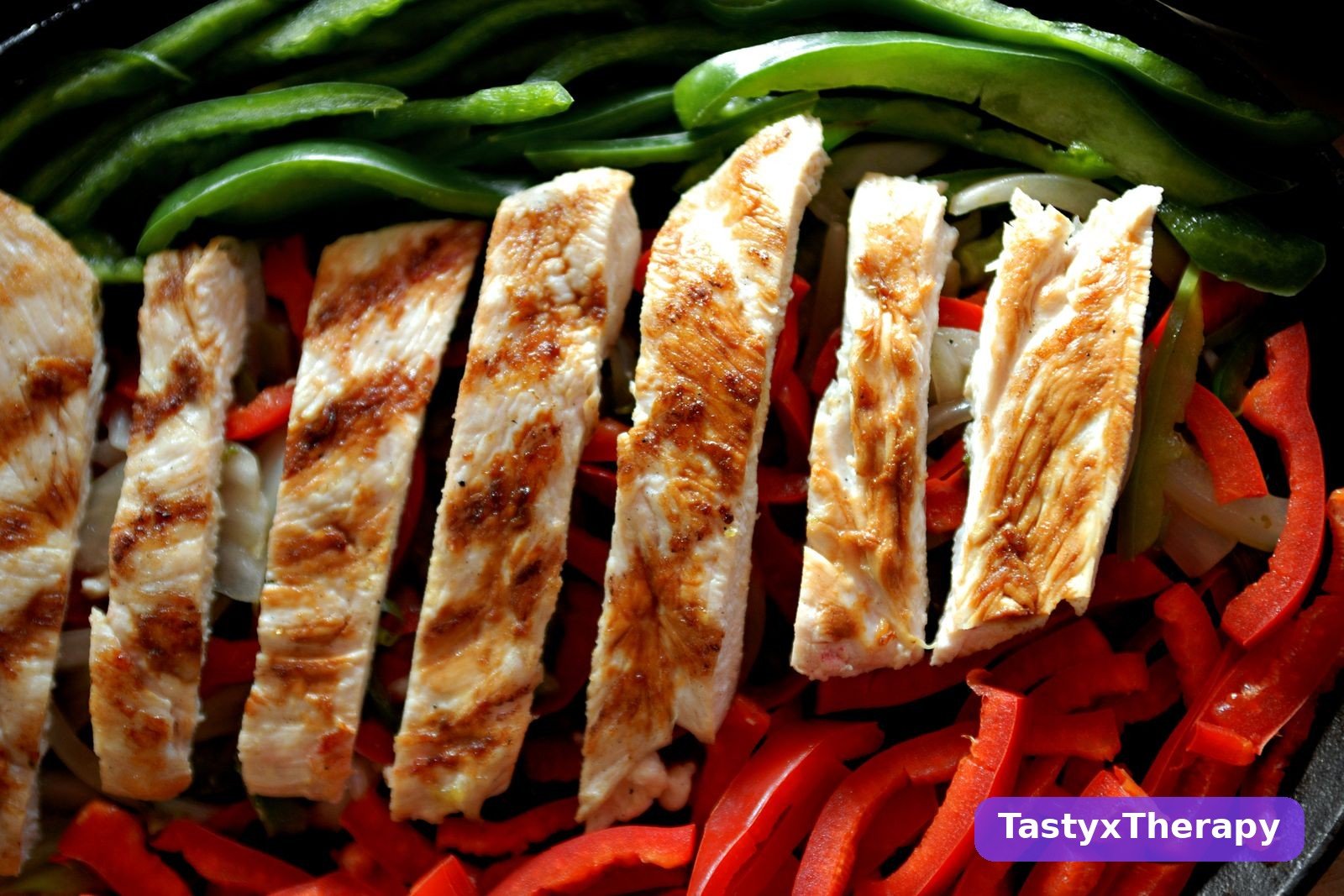
Next, make the spice mix. In a small bowl, combine the smoked paprika, cumin, garlic powder, onion powder, chilli powder, oregano, salt, and pepper. Put the sliced chicken in a larger bowl, drizzle over the olive oil and lime juice, and sprinkle over the spice mix. Toss well so every strip is coated. If you have 15 to 20 minutes, leave it to marinate while you chop the peppers and prepare the toppings. If you do not have that time, cook it straight away; the spices will still flavour the chicken well in the pan.
Heat a large skillet or frying pan over high heat until it is properly hot. This is important. Fajita chicken and peppers need high heat to get a bit of char, and a lukewarm pan will steam them instead. Add a drizzle of oil, then add the chicken in a single layer. Do not crowd the pan; cook in two batches if you need to. Let the chicken sear for two to three minutes without moving it, then turn and cook for another two to three minutes until cooked through and lightly charred at the edges. Remove to a plate and keep warm.
In the same pan, add the peppers and onion with a tiny bit more oil if needed. Cook over high heat for four to five minutes, stirring now and then, until the peppers soften but still have a bit of bite, and the edges start to char. You do not want them completely soft; a little crunch keeps the bowls interesting. Squeeze a little lime juice over the vegetables, then return the chicken to the pan and toss everything together for a minute so the flavours combine.
Meanwhile, warm the black beans in a small pan with a pinch of cumin and salt, or just warm them in the microwave. Prepare your toppings: slice the avocado, dice the tomato, chop the coriander, and put the soured cream, salsa, cheese, and hot sauce in small bowls. This is the part that makes the meal feel like an occasion rather than just dinner, even though it takes only a few minutes.
To assemble, spoon rice into each bowl, then add a generous portion of chicken and peppers, a spoonful of beans, some sweetcorn, tomato, and avocado. Finish with soured cream, salsa, coriander, and cheese if you are using it. Put a lime wedge on the side of each bowl and let people squeeze it over the top themselves. Serve immediately, while the chicken and rice are still warm and the toppings are still cool. That contrast of warm and cool is a big part of what makes these bowls so satisfying.
For a classic take on the same flavours, BBC Good Food’s easy chicken fajitas recipe is a good reference, and it shows how little the core idea changes whether you serve it in a tortilla or a bowl.
Tips for the Best Char and Flavour
High heat is the single most important factor in this recipe, and it is the one people most often get wrong. If your pan is not hot enough, the chicken will release its juices and stew rather than sear, and the peppers will go soft and pale. Heat the pan until a drop of water sizzles and evaporates immediately, then add the oil and the chicken. Do not be tempted to stir the chicken constantly; let it sit and develop colour before you turn it. That colour is flavour.
Cutting the chicken and peppers into similar-sized strips helps everything cook evenly. If some strips are thick and others thin, the thin ones will overcook while the thick ones are still pink. Take a moment to slice evenly, and you will be rewarded with chicken that is uniformly juicy and peppers that are uniformly tender-crisp.
Lime juice deserves care too. Add most of it to the marinade, where the acid helps the spices cling to the chicken, but save a little for the end. A fresh squeeze over the finished pan, and another over each bowl at the table, brightens the whole dish in a way that cooked lime juice alone cannot. The same applies to the coriander: stir some through at the end and scatter the rest on top, so you get both the flavour in the dish and the fresh, green hit on top.
If you are cooking for children, hold back the chilli powder from the main spice mix and add it only to the adult portions, or serve hot sauce on the side instead. That way, the children get the same smoky flavour without the heat, and the adults can make theirs as fiery as they like. It is a small adjustment that avoids cooking two separate meals.
Variations Worth Trying
The bowl format invites variation, which is why it never gets boring. Swap the chicken for prawns, which cook in just a few minutes and take the same spice mix beautifully. Use sliced steak instead, cooked quickly over high heat and rested before slicing, for a richer version. For a meat-free bowl, use halloumi, fried until golden, or a tin of chickpeas tossed in the same spices and roasted until crisp. The rice, beans, and toppings stay the same, so the meal still feels familiar.
Rice itself can change. Brown rice adds a nutty flavour and more fibre, though it takes longer to cook, so start it earlier. Cauliflower rice is a lighter option if you want to cut down on carbohydrates, and it soaks up the pan juices nicely. Quinoa works too, and its slightly nutty taste pairs well with the smoky chicken. Whatever base you choose, season it lightly; a pinch of salt and a squeeze of lime in the rice itself makes a surprising difference.
Toppings are where people have the most fun. Pickled red onion adds sharpness and a beautiful pink colour. A quick guacamole, made by mashing avocado with lime, salt, and a little chopped tomato, is richer than plain sliced avocado. A corn salsa, made by mixing sweetcorn with diced red onion, lime, and coriander, adds sweetness and crunch. Grated cheese is optional, but a little mature Cheddar or crumbled feta over the top adds a salty finish that ties everything together.
If you enjoy chicken that never sees the oven, the no-oven chicken dinner recipes collection has more stovetop ideas in the same practical style, all built around simple seasoning and quick cooking.
Serving Ideas
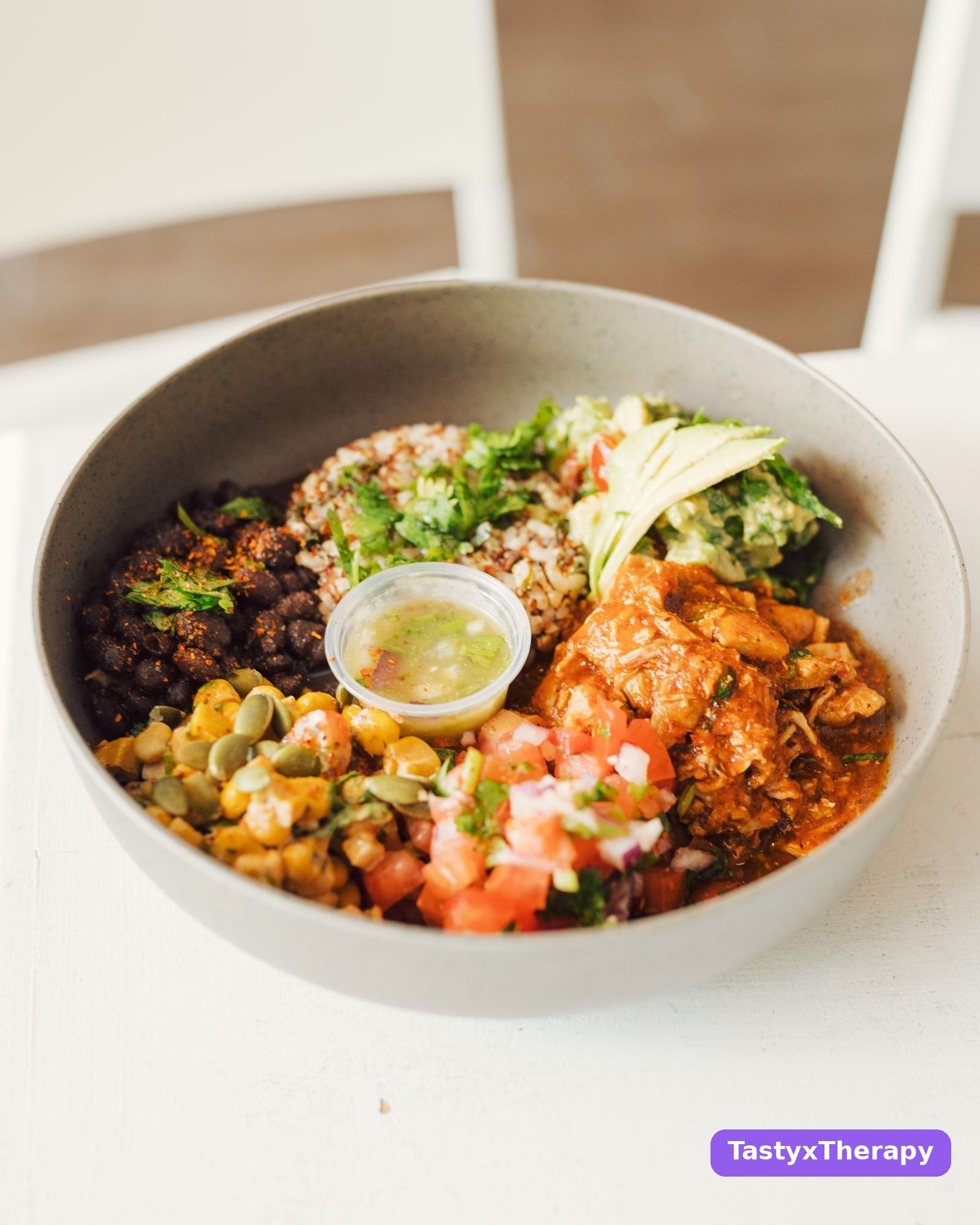
These bowls are a complete meal on their own, but a few extras can turn them into something a bit more special. A basket of warm tortilla chips on the table gives people something to scoop with, and a simple side salad with lime dressing adds freshness. For a crowd, set everything out buffet-style: a big pot of rice, the pan of chicken and peppers, and all the toppings in separate bowls, and let people build their own. It is less work for the host, and guests enjoy choosing their own combinations.
For packed lunches, these bowls work surprisingly well. The same high-heat stovetop approach shows up in other recipes too, including these chicken breast recipes without oven or air fryer, which are worth a look if you cook on the hob more than you bake. Pack the rice, chicken, and peppers together, and keep the cold toppings — avocado, soured cream, salsa — in a separate small container. At lunchtime, heat the warm part and add the cold toppings fresh. The flavours hold up well overnight, and the chicken stays moist if it is stored with a little of the pan juices. It is a far better lunch than a sad sandwich, and it takes no extra cooking if you simply make a bit more at dinner.
If you are feeding a family on a budget, this recipe stretches well. Add an extra tin of beans, a bit more rice, and a few more peppers, and the same amount of chicken will feed more people without anyone feeling short-changed. The toppings can be simple — just soured cream, salsa, and a lime — and the meal will still be colourful and satisfying. It is one of those recipes that is generous by nature, which is why it gets made so often.
For a lighter summer version, serve smaller portions of rice and chicken with a bigger proportion of salad, tomato, and avocado, and add a handful of shredded lettuce or cabbage for crunch. For a winter version, add a spoonful of warmed beans with extra cumin and a pinch of smoked paprika, and serve with a little grated cheese melted over the top. The same recipe, adjusted slightly, works all year round.
Storing Leftovers
Store the components separately if you can. Chicken and peppers keep in the fridge for up to three days in a sealed container, rice for up to two days, and toppings like salsa and soured cream according to their own packaging. Avocado does not keep well once cut, so only prepare as much as you need. When you reheat, warm the chicken, peppers, and rice together in a pan or microwave until piping hot, then add fresh toppings. This keeps the cold elements tasting fresh rather than warmed through and soggy.
You can freeze the cooked chicken and peppers for up to two months, though the peppers will soften a little on thawing. Thaw overnight in the fridge and reheat in a hot pan for a few minutes to bring back some of the char. Rice can also be frozen, but cool it quickly and freeze it in portions, and reheat it until it is steaming hot all the way through. Freezing the whole assembled bowl is not ideal, because the fresh toppings do not survive freezing, but the warm components freeze perfectly well on their own.
Frequently Asked Questions
Can I use shop-bought fajita seasoning instead of mixing my own?
Yes, absolutely. Shop-bought seasoning is convenient and will give you a good result. Check the salt content, though, because some packets are very salty, and you may want to hold back on adding extra salt to the chicken. If you use a packet, you can still add fresh lime juice and a pinch of smoked paprika to lift the flavour. Mixing your own gives you more control, but on a busy night, a packet is a perfectly sensible shortcut and nobody at the table will mind.
What rice works best for fajita bowls?
Long-grain rice and basmati are both excellent, because they stay separate and fluffy rather than clumping together. Basmati has a slightly fragrant quality that suits the lime and spices. Brown rice works too, but it takes longer to cook and has a chewier texture, so start it earlier. Avoid very sticky short-grain rice, which can turn the bowl into a dense, stodgy mass. Whatever rice you use, rinse it before cooking and let it rest for five minutes after cooking, covered, before fluffing it with a fork.
How spicy are these bowls?
As made here, they are mildly spiced rather than hot. The chilli powder gives warmth, not a burn, and you can adjust it to your taste. If you like heat, add more chilli powder, a pinch of cayenne, or a sliced fresh chilli to the pan with the peppers. If you are cooking for children or for people who do not like spice, leave the chilli out entirely and let people add hot sauce at the table. The smoky flavour from the paprika and cumin carries the dish even without any heat at all.
Can I prepare the components ahead of time?
Yes, and this is a great recipe for getting ahead. You can marinate the chicken the night before and keep it covered in the fridge. You can chop the peppers and onion, cook the rice, and prepare most of the toppings a few hours ahead. When it is time to eat, you only need to cook the chicken and peppers, warm the beans, and assemble the bowls. It turns a 35-minute meal into about 15 minutes of active cooking, which is ideal for guests or for a night when you get home late.
Are chicken fajita rice bowls healthy?
They can be, and it depends mostly on your choices. The core of the dish — lean chicken, peppers, onion, beans, and rice — is balanced and filling, with protein, fibre, and plenty of vegetables. Choosing brown rice over white, loading up on vegetables and salad toppings, and going easy on the cheese and soured cream will make the bowl lighter. Using Greek yoghurt instead of soured cream is another simple swap that keeps the creaminess with less fat. The dish is flexible enough to be a lighter lunch or a hearty family dinner, depending on how you build your bowl.