
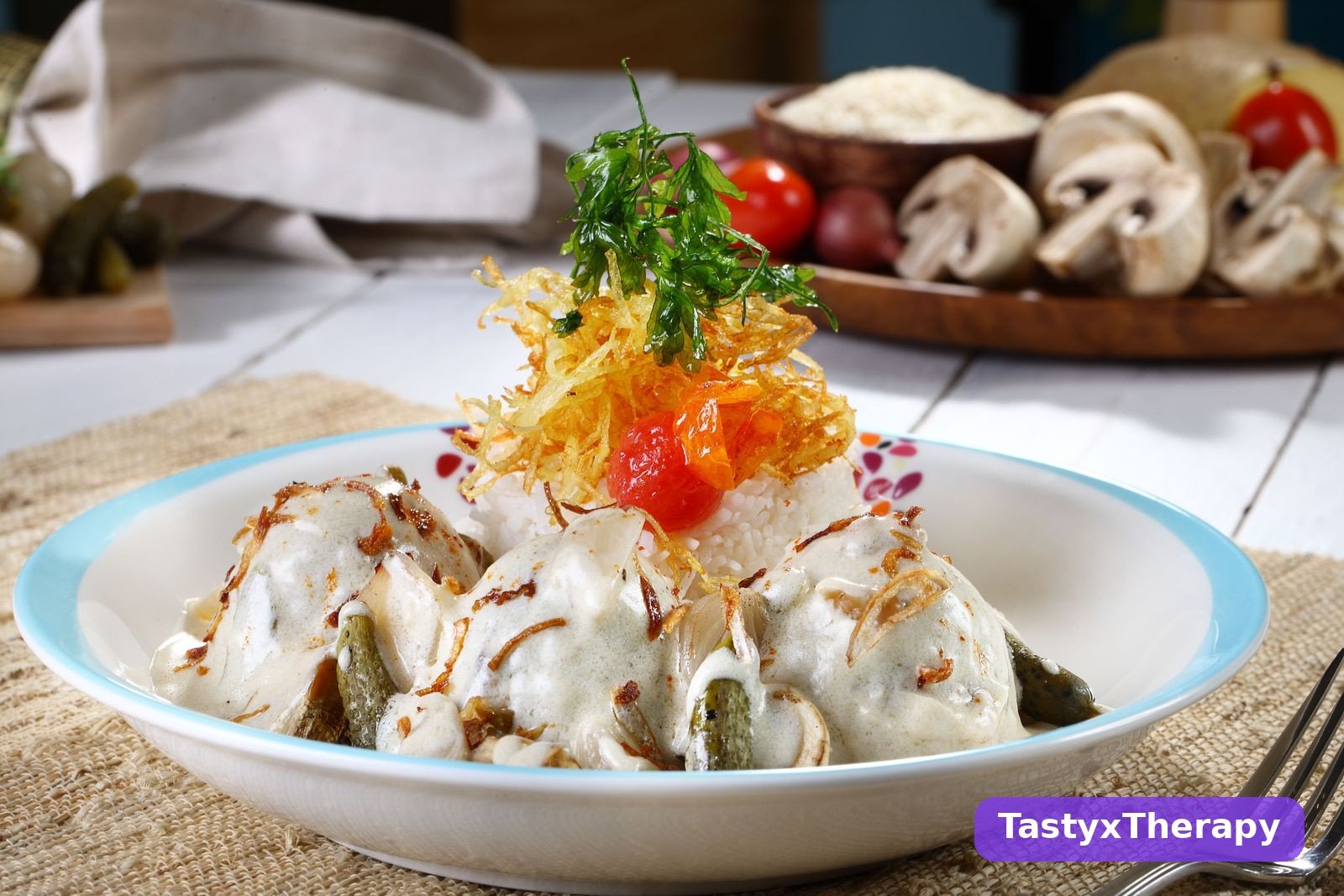
Some recipes earn their place in a household by being impressive. Others earn it by being there on a Wednesday night when nobody can decide what to eat, the fridge looks uninspiring, and everyone is hungry now. This creamy spinach and mushroom chicken skillet is firmly in the second group, and I mean that as the highest praise. It is one pan, about half an hour, and a sauce so good that people will be scraping the skillet with bread long after the chicken is gone.
I first made a version of this dish when I had chicken breasts, a bag of spinach that was a day away from giving up, and a punnet of mushrooms I had bought with no real plan. It was supposed to be a clearing-out-the-fridge meal, nothing special. But the combination worked so well — the earthy mushrooms, the garlic, the cream, the spinach wilting into the sauce, and a handful of Parmesan to pull it all together — that it became a regular. Now I buy spinach and mushrooms specifically for this recipe, which tells you everything about how it turned out.
What makes it work is balance. The cream is rich, but the spinach and mushrooms keep it from feeling heavy, and a squeeze of lemon at the end lifts the whole pan. The chicken stays juicy because it goes back into the sauce to finish, rather than sitting on a plate drying out while you make a separate sauce. And because it is all cooked in one skillet, the washing up is minimal, which matters more than most cookbooks admit.
If you are looking for more meals in this same, low-fuss spirit, the TastyxTherapy homepage is a good place to browse. This skillet sits comfortably alongside the other everyday chicken dinners there, and it is one I would suggest trying first.
Why This Skillet Works
The secret to a good creamy chicken skillet is not a complicated sauce. It is building flavour in layers, in the same pan, without washing anything in between. You start by searing the chicken, which leaves browned bits in the pan. Those bits are not a mess to clean up; they are flavour waiting to happen. When you cook the mushrooms in the same pan, they pick up that flavour. When you add garlic, then cream and stock, everything loosens into a sauce that tastes like it took far longer than it did.
Mushrooms need a bit of respect in this recipe. The mistake most people make is crowding the pan and stirring too often, which makes the mushrooms steam instead of brown. Give them space, let them sit undisturbed for a few minutes, and they will turn golden and properly savoury. That browning is where their flavour comes from. The same rule applies to the chicken: a hot pan, dry chicken, and patience while it sears will give you a golden crust that makes the finished dish look and taste far better.
Spinach is the other quiet hero here. It wilts down to almost nothing, so a whole bag disappears into the sauce and adds colour, freshness, and a bit of goodness without changing the character of the dish. Children who claim not to like spinach often eat it happily in this sauce, because it is coated in cream and Parmesan and does not taste like a side of greens. If you only have frozen spinach, it will work too, but squeeze out as much water as you can first, or the sauce will thin out.
The cream itself deserves a practical note. Full-fat double cream or heavy cream is the safest choice, because it is far less likely to split than single cream or milk when it simmers. If you want a lighter version, you can use half cream and half milk, but keep the heat gentle and do not let it boil hard. A sauce that splits is not ruined — it still tastes fine — but it looks less appealing, and a gentle simmer avoids the problem entirely.
Ingredients You Will Need
Here is everything for four servings:
- 4 boneless, skinless chicken breasts, or 6 boneless thighs
- Salt and black pepper, to taste
- 1 teaspoon paprika
- 2 tablespoons olive oil
- 2 tablespoons butter
- 250g mushrooms, sliced (chestnut or button both work well)
- 1 small onion, finely chopped
- 3 cloves of garlic, minced
- 150ml chicken stock
- 240ml double cream
- 50g Parmesan cheese, finely grated, plus extra to serve
- 100g fresh spinach, roughly chopped
- 1/2 teaspoon dried Italian herbs or oregano
- A squeeze of lemon juice, to finish
- Fresh parsley, chopped, to serve
A word on the chicken: breasts are the classic choice, but thighs are actually more forgiving here. They stay juicy even if you cook them a minute or two too long, and their richer flavour stands up well to the cream. If you use breasts, try to choose ones of similar thickness, or pound the thicker end a little so they cook evenly. Nobody wants one piece done and another still pink in the middle.
The Parmesan matters more than you might think. Pre-grated cheese from a packet often contains anti-caking agents that stop it melting smoothly, and it can make the sauce grainy. A small piece of Parmesan grated fresh melts into the sauce properly and tastes noticeably better. It is one of those small upgrades that costs almost nothing and improves the whole dish.
You can find more dishes built around the same everyday ingredients in the Chicken Recipes section, which is worth a browse when you are planning the week’s meals.
How to Make Creamy Spinach and Mushroom Chicken Skillet
Start by seasoning the chicken well on both sides with salt, pepper, and paprika. Heat the olive oil in a large skillet over medium-high heat until it shimmers. Lay the chicken in the pan, leaving space between the pieces, and cook for five to six minutes on the first side without moving it. You want a proper golden crust before you turn it. Flip and cook for another five minutes or so, until the chicken is nearly cooked through. It will finish in the sauce, so do not worry if the very centre is not quite done yet. Remove the chicken to a plate and set it aside.
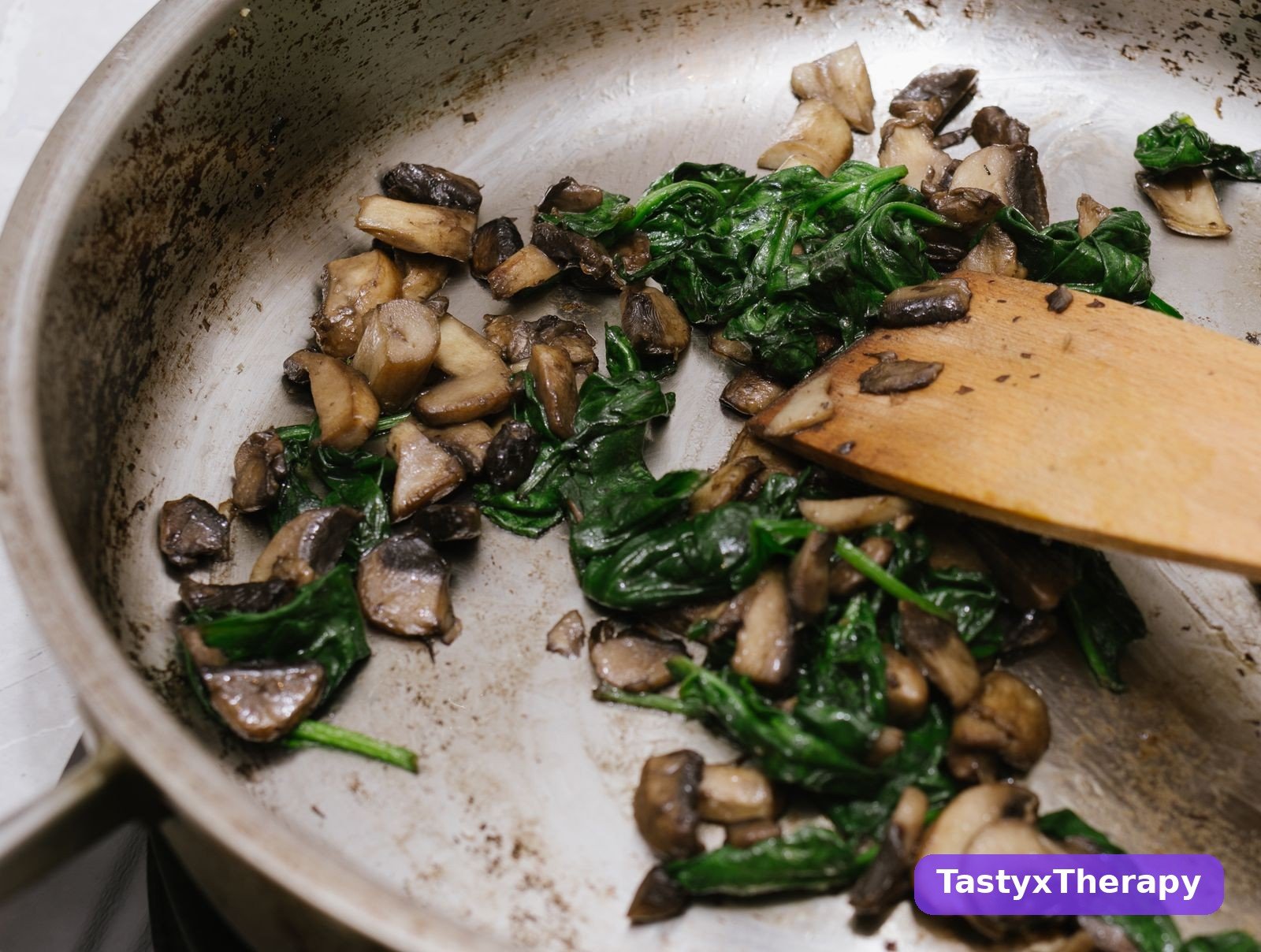
Turn the heat down to medium and add the butter to the same pan. Once it melts, add the mushrooms in a single layer. Leave them alone for three to four minutes until the undersides are golden, then stir and cook for another two minutes. Add the onion and cook until it softens, about three minutes, then add the garlic and cook for just 30 seconds until it smells fragrant. Garlic burns quickly, so do not walk away at this point.
Pour in the chicken stock and scrape the bottom of the pan with a wooden spoon, loosening all those browned bits. This step, deglazing, is what gives the sauce its depth. Let the stock bubble for a minute, then pour in the cream and add the dried herbs. Bring it to a gentle simmer, not a rolling boil, and let it cook for three to four minutes until it thickens slightly. It should coat the back of a spoon, not sit like a thick paste. Stir in the Parmesan a handful at a time, letting each addition melt before you add the next.
Now add the spinach, a handful at a time, stirring until each handful wilts before you add the next. This takes about two minutes in total. Taste the sauce and adjust the salt, pepper, and lemon juice. The lemon is important: just a small squeeze brightens the cream and stops the dish feeling too rich. Slide the chicken back into the pan, along with any juices from the plate, and spoon the sauce over the top. Cover and simmer gently for three to five minutes, until the chicken reaches 74°C (165°F) in the thickest part. Scatter with parsley and extra Parmesan, and serve straight from the pan.
If you like a reference point for a similar style of dish, this creamy chicken pasta recipe from BBC Good Food uses the same kind of gentle cream sauce and is a good comparison for how thick the sauce should be.
Tips for a Sauce That Never Splits
Temperature control is everything with cream sauces. The most common problem is heat that is too high, which makes the cream separate into an oily, grainy mess. Keep the burner at medium or medium-low once the cream goes in, and look for a lazy simmer with small bubbles, not a vigorous boil. If your stove runs hot, move the pan slightly off the centre of the burner or turn the heat down a notch. Patience here is rewarded with a smooth, glossy sauce.
Another tip is to add the Parmesan off the fiercest heat. If the sauce is bubbling hard when the cheese goes in, the cheese can clump. Take the pan down to a gentle simmer, stir the cheese in gradually, and you will get a smooth result. The same applies if you are reheating leftovers: gentle heat and a splash of cream or stock will bring the sauce back, while a blast in the microwave on full power will often split it.
Do not skip seasoning the sauce in stages. The chicken stock and Parmesan both add salt, so season lightly at first, then taste again after the cheese and spinach are in. It is easy to add salt; it is very hard to take it away. A crack of black pepper and that final squeeze of lemon at the end make more difference than any extra ingredient you could add.
Finally, choose your skillet wisely. A large, heavy-bottomed pan holds heat evenly and gives you room to sear the chicken properly. A thin pan will have hot spots, the chicken will stick in places and burn in others, and the sauce will be harder to control. Cast iron is wonderful for this dish if you have one, but any good heavy skillet will do. Avoid non-stick if you can, because you want those browned bits to form, and they form best on stainless steel or cast iron.
Variations to Keep It Interesting
This skillet is a base recipe as much as a finished dish, and it adapts well. For a sun-dried tomato version, add a handful of chopped sun-dried tomatoes with the garlic; they add sweetness and colour that works beautifully with the cream. For a mustard twist, whisk a teaspoon of Dijon mustard into the cream before it goes in the pan. It will not taste strongly of mustard, but it will add depth and a gentle tang.
If you want more vegetables, a handful of peas or some sliced courgette can go in with the mushrooms. Broccoli florets work too, but add them with the stock so they have time to soften. For a lighter, dairy-free attempt, full-fat coconut milk can replace the cream, and you can leave out the Parmesan or use a dairy-free alternative, though the flavour will be different — more fragrant, less cheesy — and you should judge it on its own terms rather than as a direct copy.
You can also change the protein. The same sauce is excellent with pork chops, with salmon fillets (cook them more gently and for less time), or with just mushrooms and spinach for a meat-free version served over pasta. Once you know the sauce, you will find yourself using it in all sorts of ways. That is the mark of a good everyday recipe: it teaches you a method, not just a single meal.
For a stovetop chicken dinner that skips the oven entirely, the chicken breast recipes without oven or air fryer collection is a natural next read, with the same kind of practical, weeknight-friendly cooking.
Serving Ideas
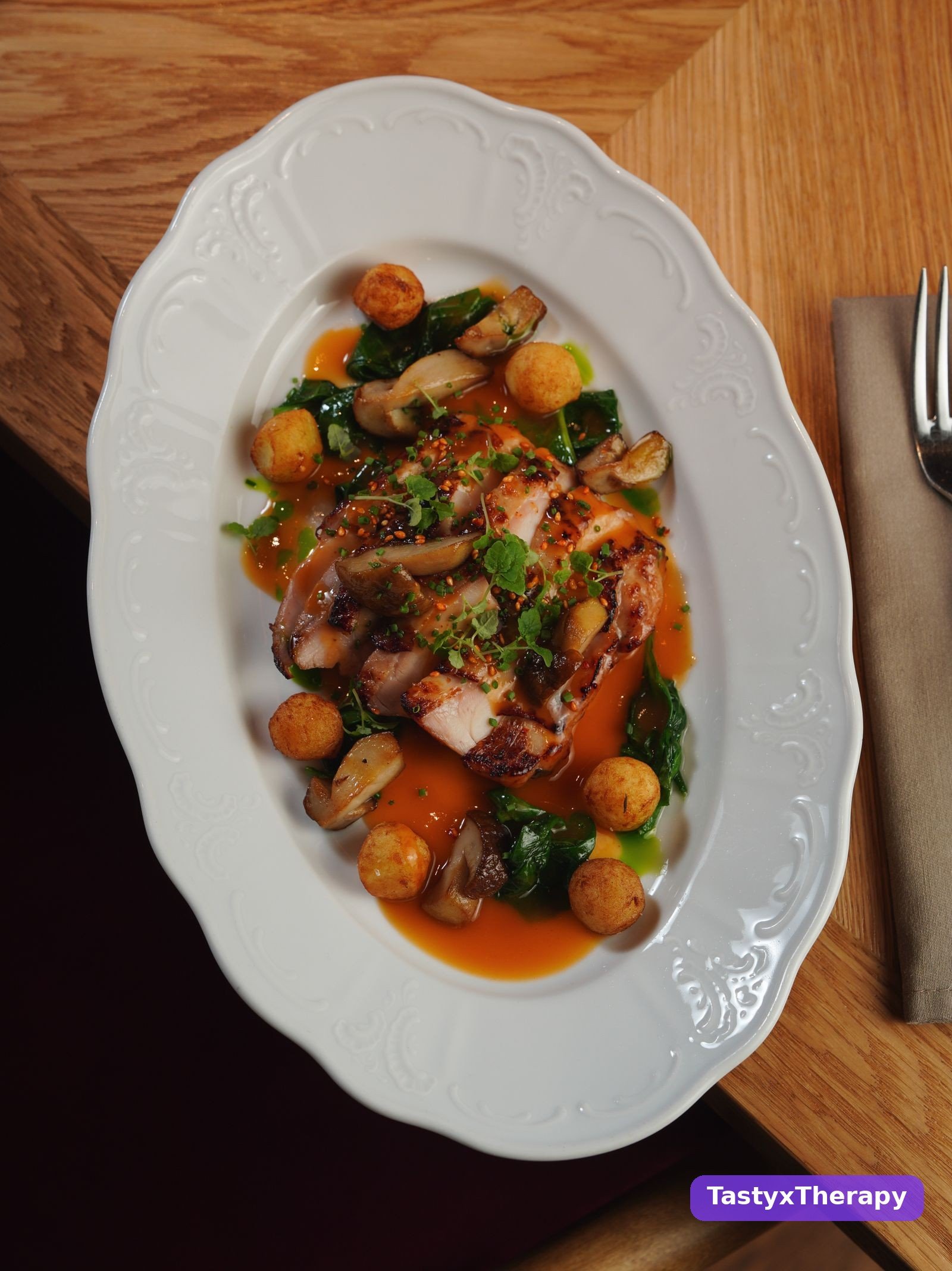
The obvious partner for this dish is something that soaks up sauce. Mashed potatoes are the classic choice, and they turn the skillet into proper comfort food. Rice works just as well, especially a simple basmati or jasmine rice that does not compete with the sauce. Pasta is another excellent option: short shapes like penne or rigatoni hold the sauce in their ridges, and you can toss the cooked pasta straight into the pan for the last minute so it absorbs some of the cream.
If you want to keep things lighter, serve the chicken with steamed green beans, roasted broccoli, or a simple salad with a sharp vinaigrette. The acidity of the salad dressing cuts through the richness of the cream in the same way the lemon does in the sauce. Crusty bread is almost compulsory, in my view. There will be sauce left in the pan, and it would be a shame to leave it there. Put a basket of bread on the table and let people help themselves.
For a dinner-party version, serve the skillet in the middle of the table with a big bowl of buttered tagliatelle, a green salad, and a bottle of something white and crisp. It looks generous and relaxed, and nobody needs to know it took half an hour. For a family meal, just put the pan on a heatproof mat and let everyone serve themselves. The chicken slices easily, the sauce stretches to cover a bit of extra rice or pasta, and second helpings are practically guaranteed.
Leftovers are good, too. The chicken reheats gently in a covered pan with a splash of cream or stock, and it makes an excellent filling for a toasted sandwich or a topping for baked potatoes the next day. And if the freezer is your starting point on another night, these easy chicken recipes with frozen vegetables are built for exactly that kind of evening. Just keep the heat low and stir often, so the sauce stays smooth.
Storing and Reheating
Store leftover chicken and sauce together in a sealed container in the fridge for up to three days. The sauce will thicken as it cools, which is normal; it loosens again when reheated. To reheat, put the chicken and sauce in a covered skillet over low heat with a splash of cream or stock, and warm gently, stirring now and then, until piping hot. Avoid the microwave if you can, because it heats unevenly and is more likely to split the sauce. If you must use it, use short bursts at medium power and stir between each one.
Freezing is possible, though the sauce may change texture slightly on thawing. If you plan to freeze, cool the dish quickly, pack it in a freezer-safe container, and use it within a month for the best result. Thaw overnight in the fridge and reheat gently, whisking the sauce as it warms to bring it back together. It will not be quite as silky as the fresh version, but it will still be a very welcome dinner on a night when cooking from scratch is not happening.
Frequently Asked Questions
Can I use frozen spinach instead of fresh?
Yes, and it is a sensible swap if that is what you have. Thaw the spinach first and squeeze out as much water as possible — really press it in a sieve or with clean hands — before adding it to the sauce. If you add it still wet, the sauce will thin out and lose its richness. Use about 100g of thawed, squeezed spinach, and add it in one go rather than handfuls, since it is already wilted. The flavour is very similar, and it saves a trip to the shops.
Why did my cream sauce split?
The most likely reason is heat that was too high, or cream that was too light for simmering. Full-fat double cream is much more stable than single cream or milk. Keep the sauce at a gentle simmer, never a hard boil, and add cheese gradually off high heat. If it does split, take the pan off the heat, whisk in a splash of cold cream, and whisk vigorously; this sometimes brings it back. Even if it does not fully recover, the dish will still taste good, so do not throw it away.
Can I make this dish ahead of time?
You can cook it a few hours ahead and keep it covered in the fridge, then reheat gently before serving. It is actually a good make-ahead dish for guests, because the flavours settle and the chicken stays moist in the sauce. Do not leave it at room temperature for more than two hours, and reheat it until it is piping hot all the way through. If you are making it a day ahead, the spinach may darken slightly, but the taste will be unchanged.
What mushrooms work best in this recipe?
Chestnut mushrooms are my first choice because they have more flavour than plain white button mushrooms and they hold their shape well. Portobello mushrooms, sliced, are also excellent and give a meatier texture. Wild mushrooms, if you can get them, add a wonderful depth, but they are not necessary. Whatever you use, slice them fairly thickly so they do not disappear into the sauce, and do not wash them under running water; brush or wipe them clean instead, so they do not absorb water and steam in the pan.
Is this recipe gluten-free?
As written, yes, provided your chicken stock is gluten-free. Check the stock label, since some stock cubes and powders contain gluten. Parmesan, cream, spinach, and mushrooms are naturally gluten-free. Serve it with rice or gluten-free pasta rather than regular pasta or bread, and the whole meal stays gluten-free without any change to the cooking method. It is a useful recipe to have for mixed households where one person needs to avoid gluten and everyone else just wants a good dinner.