

Introduction
A rotisserie chicken is one of the best-value shortcuts in any supermarket, and yet half of it so often ends up forgotten in the fridge. The first night, everyone is enthusiastic. The second night, the leftover chicken sits in its container looking a little sad, and by the third night it is quietly thrown away. That is a shame, because leftover rotisserie chicken is not a lesser ingredient. It is already cooked, already seasoned, and already full of flavour — which means dinner can be ten minutes away instead of forty.
I started buying rotisserie chickens deliberately for two meals, not one. Night one is the chicken itself, with potatoes or salad. Night two — and sometimes lunch on day three — is where the real cooking happens: the meat gets shredded into noodles, folded into quesadillas, tossed through fried rice, or simmered into a soup that tastes like it took hours. Once you think of the leftover chicken as an ingredient rather than a leftover, the whole week gets easier.
This guide shows you how to stretch one chicken across several genuinely good meals, how to store it safely, and which recipes work best with meat that is already cooked. None of these ideas taste like an afterthought. In fact, a few of them — the fried rice and the noodle bowl especially — are better with rotisserie chicken than with freshly cooked chicken, because the meat is already seasoned and a little caramelised at the edges.
Why Rotisserie Chicken Is Such a Useful Leftover
The main advantage is time. Cooking chicken from raw takes twenty to forty minutes and a fair amount of attention. Shredding cooked chicken takes five minutes with two forks, and after that most of these recipes are just assembly and heating. On a night when you get home late, that difference matters more than any fancy technique.
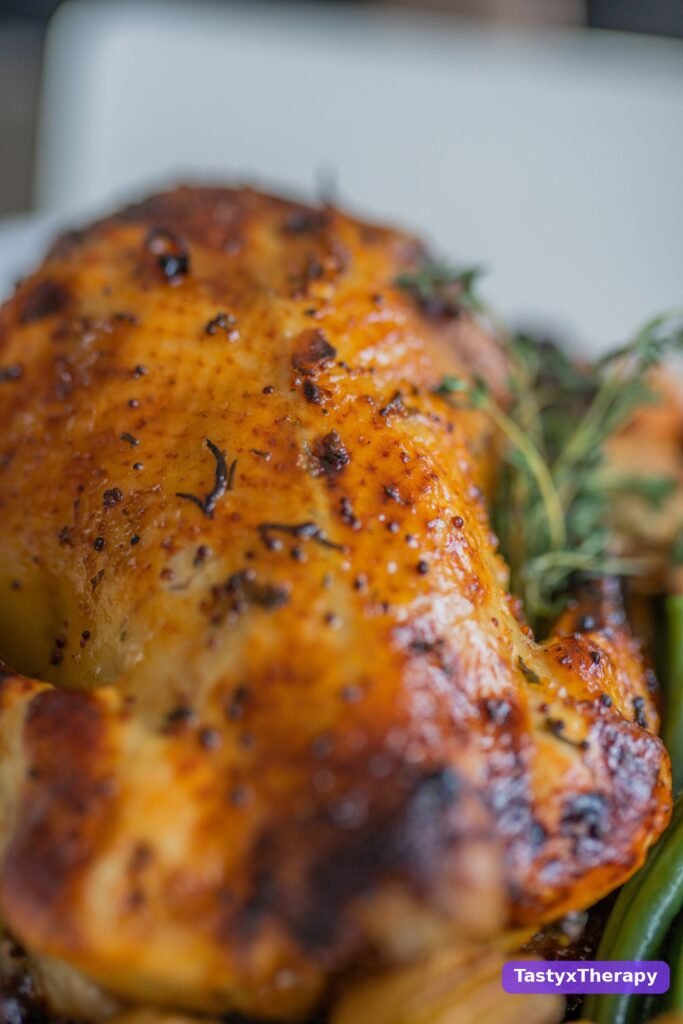
Flavour is the second advantage. Rotisserie chicken has been basted in its own juices as it turns, so the skin is seasoned and the meat, especially the dark meat from the legs, is juicy and rich. That flavour carries into whatever you cook next. A soup made with rotisserie chicken and its bones tastes deeper than one made with plain breast meat, and a quesadilla filled with seasoned dark meat needs far less extra seasoning than one filled with plain chicken.
It is also economical. One chicken can feed a family for one big dinner and then provide meat for two or three smaller meals, which brings the cost per serving down considerably. Using the carcass for stock means even the bones earn their keep. In a week where food prices feel like they only go up, getting three meals out of one purchase is a small but real win.
How to Store Leftover Chicken Safely
Good leftovers start with good storage. As soon as the first meal is over, strip the remaining meat from the bones and put it in a sealed container in the fridge. Do not leave the chicken sitting out on the counter for hours while you clear up — bacteria grow fastest at room temperature, and the sooner it is chilled, the longer it stays good. Properly stored, shredded rotisserie chicken keeps for three to four days in the fridge.
If you will not use it within that time, freeze it. Portion it into bags or containers in the amounts you actually cook with — about 200 grams per person per meal is a useful guide — press out the air, label with the date, and freeze for up to three months. Frozen shredded chicken thaws quickly in the fridge overnight or in a sealed bag under cold running water, and it goes straight into hot dishes like soup and fried rice without needing to be fully thawed first.
Keep the carcass too, in a separate bag in the fridge or freezer. It is the base for a wonderful stock, and throwing it away is throwing away flavour. Even the skin, if it is still crisp, can be chopped and scattered over soup or salad for crunch, though it softens quickly in the fridge and is best used the same day.
Shredding and Preparing the Chicken
Shredding is simple, but a few details make it easier. Let the chicken cool just enough to handle, then pull the meat off in large pieces with your hands or two forks. Separate dark meat from white meat if you like — dark meat is juicier and better for saucy dishes, while white meat is neater for salads and wraps — but for most recipes, a mix is perfect.
Remove any gristle and small bones as you go, and do not worry about getting perfectly even shreds. A mix of chunky pieces and smaller shreds gives a better texture in most dishes than uniformly tiny bits. If the chicken has dried out slightly in the fridge, a spoonful of stock, a squeeze of lemon, or a drizzle of olive oil tossed through the shreds brings it back to life before you cook with it.
Taste the chicken before you season the dish. Rotisserie chicken is already well salted, so recipes that use it often need less salt than the same recipe made with raw chicken. Season gradually, taste often, and remember that sauces, cheese and pickled things add salt of their own.
Recipe 1: Rotisserie Chicken Noodle Bowl
This is my go-to when I want something comforting but fast. It is essentially a noodle soup, but richer than a packet version and ready in about fifteen minutes. The chicken is already cooked, so the whole job is building a flavourful broth and cooking noodles in it.
Heat a litre of chicken stock — homemade from the carcass if you have it, otherwise a good stock cube — with a crushed garlic clove, a thumb of ginger, a tablespoon of soy sauce and a squeeze of lime. Simmer for five minutes, then add noodles and any vegetables you have: sliced spring onions, frozen peas, shredded cabbage, mushrooms or spinach all work. Cook until the noodles are tender, then add a generous handful of shredded chicken and warm it through for two minutes. Taste, adjust with more soy or lime, and serve with chilli oil, sesame seeds and fresh herbs if you have them.
The beauty of this bowl is how adaptable it is. Add peanut butter and a little chilli for a satay-style version, add curry paste for a Thai-inspired soup, or keep it plain and brothy for a sick-day dinner. It is the kind of meal that makes you feel looked after, even when you made it in a quarter of an hour.
Recipe 2: Chicken and Cheese Quesadillas
Quesadillas are the fastest way to turn leftover chicken into a dinner people actually get excited about, and they are endlessly forgiving. The chicken is already cooked, so you are really just melting cheese and crisping tortillas.
Mix shredded chicken with grated cheese, a spoonful of salsa or chopped tomatoes, a pinch of cumin and a squeeze of lime. If there are beans, sweetcorn or peppers in the fridge, add a handful. Spread the mixture over half of each tortilla, fold over, and cook in a dry pan over medium heat for three to four minutes a side until the outside is golden and crisp and the cheese has melted. Cut into wedges and serve with yoghurt, salsa, guacamole or a simple salad.
For a slightly fancier version, add a layer of caramelised onion or a spoonful of barbecue sauce to the filling. For children, keep it plain — just chicken and cheese — and let them dip wedges into whatever sauce they like. These also pack well for lunch the next day if you cook them in the morning and let them cool before wrapping.
Recipe 3: Quick Chicken Fried Rice
Fried rice is one of the best uses for leftover chicken, and it is also one of the best uses for leftover rice. Day-old rice fries much better than freshly cooked rice, because the grains are drier and separate instead of clumping, so this recipe solves two leftovers at once.
Heat oil in a large pan or wok until very hot. Fry a chopped onion and any vegetables you have — frozen mixed vegetables are ideal — for three minutes, then push them to the side and scramble two eggs in the empty space. Add about three cups of cold cooked rice, breaking up any clumps, and fry for three to four minutes until the grains start to crisp at the edges. Stir in shredded chicken, two tablespoons of soy sauce, a teaspoon of sesame oil and a pinch of white pepper, and toss until everything is hot and well mixed. Finish with spring onions and a squeeze of lime.
The key to good fried rice is a hot pan and not stirring too constantly. Let the rice sit for a minute at a time so it crisps, then toss. If the pan is crowded, cook in two batches. It is a small effort that makes the difference between fried rice and merely warm rice with things in it.
Recipe 4: Easy Chicken and Vegetable Soup
Soup made from a rotisserie carcass is one of those recipes that sounds like a project but is mostly just simmering. If you have the bones, start there: cover them with water, add an onion, a carrot, a celery stick and a bay leaf, simmer gently for an hour, strain, and you have stock that will make any soup taste wonderful. If you do not have the bones, a good stock cube does the job perfectly well.
Soften onion, carrot and celery in olive oil, add garlic and thyme, then pour in stock and add diced potatoes or rice. Simmer until tender, about twenty minutes, then add shredded chicken and any quick-cooking vegetables like peas, spinach or sweetcorn. Warm through for five minutes, season well, and finish with lemon juice and parsley. Serve with crusty bread for dipping, and you have a dinner that tastes like a Sunday afternoon even on a Tuesday night.
This soup freezes beautifully, so make a double batch when you have the chance. Portion it into tubs, cool completely, and freeze for up to three months. A homemade soup in the freezer is one of the best defences against a takeaway on a night when cooking feels impossible.
How to Make the Most of a Rotisserie Chicken
Getting three meals out of one chicken is mostly about planning the order. Night one, serve the chicken as it is, with the breast meat and the crispiest skin going to whoever appreciates them most. Night two, use the remaining meat — usually the legs and the meat from the back — in a cooked dish like fried rice, quesadillas or pasta, where shreds and smaller pieces disappear happily into the sauce. Day three, if there is anything left, use it cold in salads, sandwiches or wraps, where its seasoned flavour shines without any cooking at all.
The carcass should not be an afterthought. Even if you do not make stock immediately, freeze it in a bag and add to it over time. Two or three carcasses make a rich stock with almost no effort, and that stock becomes the base for soups, risottos and noodle bowls for weeks. Thinking of the chicken as a sequence — roast, shred, stock — rather than a single meal changes how far your money and your cooking go. If you want more ideas for cooking chicken without an oven, the no-oven chicken dinners follow the same practical approach, and the full chicken collection has plenty more.
Wraps, Salads and Cold Uses
Not every leftover chicken meal needs to be hot. A wrap filled with shredded chicken, shredded cabbage, grated carrot, a spoonful of yoghurt mixed with lemon and garlic, and a handful of herbs is a lunch that takes five minutes and tastes fresh rather than reheated. Add pickled onion or chilli sauce for bite, and wrap tightly in baking paper so it holds together.
Salads benefit from rotisserie chicken too, especially the dark meat, which stays moist even when cold. Toss it with grains like couscous or rice, roasted vegetables, chickpeas and a lemon dressing for a salad that actually fills you up. Or keep it classic: chicken, mayonnaise, celery, grapes and toasted nuts in a sandwich is a combination that has lasted for a reason. The trick with cold chicken is contrast — something crunchy, something acidic, something creamy — so it never tastes like fridge food.
Serving Ideas
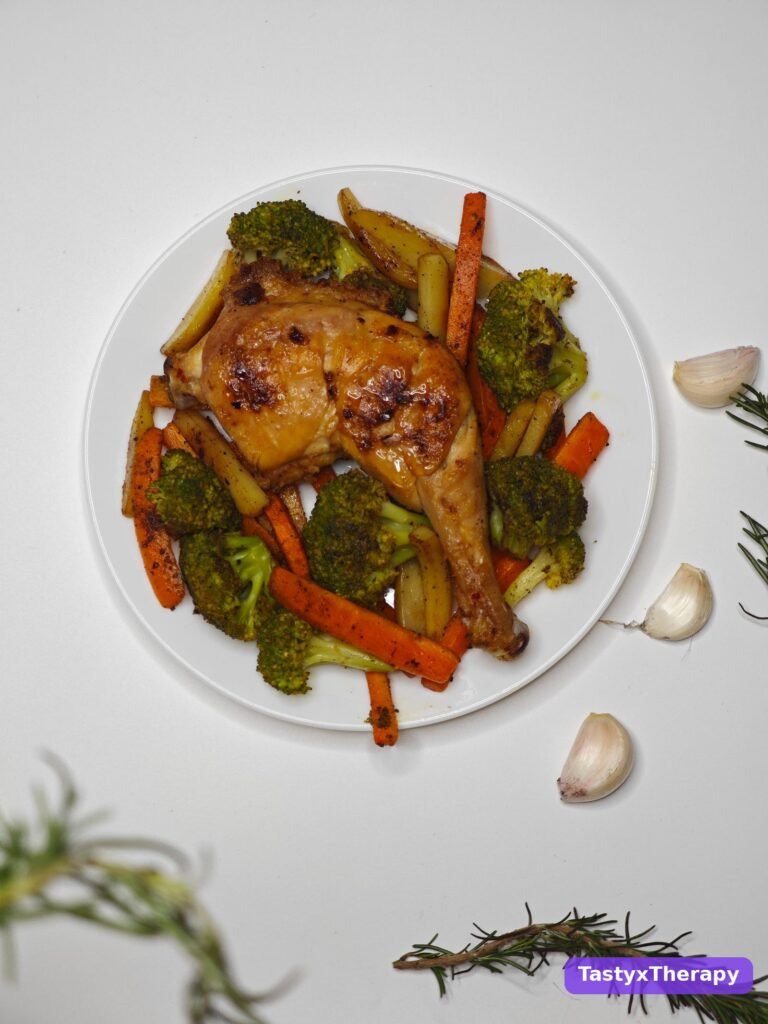
Leftover chicken dinners are at their best with simple, fresh sides. A noodle bowl wants spring onions, chilli and lime on top. Quesadillas want something cold and sharp — yoghurt, salsa or pickled onion. Fried rice is complete on its own but better with a fried egg on top and a cucumber salad on the side. Soup wants bread, full stop, preferably something crusty for dipping.
Think about the table, too. Serving quesadillas cut into wedges on a board in the middle of the table, with bowls of dips, feels like a shared meal rather than a quick fix. A pot of soup with bread and a simple salad is a proper dinner, not a compromise. The fact that the chicken was cooked yesterday is invisible when the rest of the meal is fresh, colourful and served with a little care. For a freezer-friendly side that pairs with almost all of these ideas, the frozen vegetable chicken recipes are worth keeping in mind.
Common Mistakes to Avoid
The biggest mistake is leaving the chicken in the fridge too long. Three to four days is the limit, and after that it should be frozen or thrown away, however painful that feels. Reheating chicken repeatedly is another mistake — reheat only the portion you will eat, and heat it until it is steaming hot throughout, not just warm at the edges.
Over-seasoning is easy to do because rotisserie chicken is already salty. Taste before adding salt, especially in dishes with soy sauce, cheese or stock, all of which add salt of their own. And do not microwave shredded chicken uncovered for a long time — it dries out quickly. A splash of stock or water, a cover, and short bursts keep it moist. Finally, do not throw away the bones. Even if stock-making sounds like too much, freezing the carcass costs nothing and gives you a free base for soup later.
Frequently Asked Questions
How long does leftover rotisserie chicken last in the fridge?
Shredded rotisserie chicken kept in a sealed container in the fridge lasts three to four days. Strip the meat from the bones promptly after the first meal, chill it quickly, and reheat only what you need until steaming hot. If you will not use it within four days, freeze it in portions for up to three months.
Can I freeze leftover rotisserie chicken?
Yes, it freezes very well. Shred the meat, portion it into freezer bags in meal-sized amounts, press out the air, label with the date, and freeze for up to three months. Thaw overnight in the fridge, or add frozen shreds directly to hot dishes like soup and fried rice, where they will heat through safely.
Is rotisserie chicken healthy?
Rotisserie chicken is a good source of lean protein, especially the breast meat, though the skin adds fat and salt. Removing the skin and choosing breast meat keeps it lighter, while dark meat is richer but still nutritious. Pairing it with vegetables, whole grains and salads makes for a well-balanced meal, and using it in homemade dishes means you control the rest of the ingredients.
What is the best way to reheat leftover chicken without drying it out?
Add a splash of stock or water, cover the dish, and heat gently — in a pan on low, or in the microwave in short bursts, stirring between each. Avoid high heat and long uncovered cooking, which dry chicken out quickly. Stirring the chicken into a sauce, soup or fried rice is even better, because the liquid keeps it moist as it heats.
Can I make stock from a rotisserie chicken carcass?
Absolutely, and you should. Cover the carcass with water, add an onion, carrot, celery stick and bay leaf, and simmer gently for one to two hours. Strain, cool, and use the stock for soup, risotto or noodle bowls, or freeze it in tubs for later. It is one of the easiest ways to get a second round of value from a single chicken. For more on the history of this supermarket staple, see the article on rotisserie chicken.
What can I make with a very small amount of leftover chicken?
Even a single cup of shredded chicken goes a long way. Fold it into an omelette, toss it through pasta with garlic and olive oil, pile it onto nachos with cheese, or mix it with mayonnaise and celery for sandwiches. Small amounts work best in dishes where chicken is a flavouring rather than the main event, so let sauces, cheese and vegetables do the heavy lifting. The Allrecipes rotisserie chicken collection has many more ideas along these lines, and you can browse fresh inspiration on the TastyxTherapy homepage.
2 thoughts on “Easy Meals With Leftover Rotisserie Chicken: Delicious Ideas for Busy Days”