

Introduction
There is something deeply satisfying about a meal that comes out of a single skillet. No baking tray, no roasting tin, no oven timer — just one pan, a bit of heat, and dinner appearing in front of you. Chicken skillet cooking is my favourite kind of weeknight cooking for exactly that reason. It is fast, it is forgiving, and it produces the kind of browned, saucy, properly flavourful food that usually takes much more effort.
I came to skillet chicken out of necessity, in a kitchen with an unreliable oven, and I stayed with it out of preference. A skillet gives you control an oven never will. You can see the skin crisping, you can hear when a sauce needs more liquid, and you can taste and adjust in real time. You can sear, simmer, deglaze and finish a sauce all in the same pan, and the flavours build on each other in a way that separate cooking steps rarely match.
This guide covers four skillet chicken dinners that need no oven at all, plus the pan skills that make them work: choosing the right skillet, getting a good sear, and turning pan juices into sauce. Whether you cook with cast iron, stainless steel or non-stick, these recipes will work, and they will leave you with exactly one pan to wash.
Why a Skillet Beats the Oven on Busy Nights
Speed is the obvious reason. An oven needs ten to fifteen minutes just to preheat, and then chicken needs twenty to forty minutes inside it. A skillet dinner is often on the table in the time an oven would still be warming up. On a night when everyone is hungry now, that matters.
Control is the less obvious reason, and it is more important. In a skillet you can move chicken to a hotter or cooler part of the pan, add liquid to slow things down, or turn the heat up to crisp skin at the last minute. In an oven, you set a temperature and hope. That flexibility is especially useful with chicken, where breasts and thighs cook at different rates and where a sauce can go from perfect to scorched in a few minutes.
Then there is flavour. Browning in a skillet creates fond, the caramelised bits that stick to the pan, and fond is the foundation of great sauces. Deglazed with stock, wine or tomatoes, it gives a depth that oven-roasted chicken juices, diluted in a tray, rarely achieve. And finally, there is the washing up: one pan, one wooden spoon, done.
Choosing and Caring for Your Skillet
You do not need an expensive pan, but you do need the right size. A skillet that is too small crowds the chicken and steams it; one that is too large lets sauces spread thin and evaporate too fast. A 28 to 30 centimetre skillet is a good all-rounder for a family meal, while a smaller 24 centimetre pan suits cooking for two.
Cast iron is the classic skillet choice. It holds heat superbly, gives beautiful browning, and lasts a lifetime if looked after — dry it thoroughly after washing and rub in a thin layer of oil now and then. Stainless steel is lighter, easier to maintain, and excellent for pan sauces because you can see the fond developing. Non-stick is the most forgiving for beginners and for delicate things like eggs, though it browns less deeply at high heat and should not be overheated empty.
Whichever pan you own, two habits help: preheat it before food goes in, and do not put a screaming-hot empty pan under cold water, which can warp it. A pan that is properly preheated, lightly oiled and not crowded will brown chicken beautifully, whatever it is made of. The humble skillet has been doing this job for centuries, which is reassuring when a recipe feels complicated — the tool itself is simple.
Recipe 1: Crispy Skin Chicken Thighs with Garlic and Thyme
This is the skillet recipe I return to most often, because it is almost embarrassingly simple and always works. It is also the best way to learn skillet technique, since the whole recipe is about heat, patience and timing rather than a long ingredient list.
Pat bone-in, skin-on thighs very dry and season generously. Heat a skillet over medium heat with a teaspoon of oil, and place the thighs skin-side down. Cook undisturbed for ten to twelve minutes, until the skin is deep golden and crisp and has released from the pan. This is the moment most cooks rush, and rushing it is why skin so often turns out pale and soft. Flip, add three crushed garlic cloves and a few sprigs of thyme to the pan, and cook for eight to ten minutes more until the chicken is cooked through, basting occasionally with the pan juices.
Rest the thighs for five minutes, then serve with the garlic and pan juices spooned over. The skin should shatter slightly when cut, the meat should be juicy, and the garlic should be sweet and soft rather than burnt. If the garlic darkens too fast, push it to the cooler edge of the pan or add it halfway through the second side — small adjustments like this are exactly what skillet cooking is for.
Recipe 2: Creamy Garlic and Mushroom Chicken Skillet
When you want something richer, this creamy skillet chicken delivers restaurant flavour with weeknight effort. Mushrooms add earthiness, garlic adds depth, and the cream sauce comes together in the same pan, enriched by the browned bits from searing the chicken.
Season four boneless thighs or breasts and sear in olive oil and butter until golden, about five minutes a side, then remove to a plate. In the same pan, fry sliced mushrooms without stirring for three minutes until they brown — mushrooms release water first, and stirring too early just steams them — then add sliced garlic and a shallot and cook for two minutes more. Pour in 250 millilitres of stock, scrape up the fond, and simmer for two minutes. Stir in 200 millilitres of cream, a teaspoon of Dijon mustard and a handful of Parmesan, simmer gently until slightly thickened, then return the chicken, cover, and cook on low for six to eight minutes.
Serve with rice, pasta or mashed potatoes, and a green vegetable for contrast. The sauce is rich, so something sharp or fresh on the side — a lemon-dressed salad, steamed green beans, or pickled vegetables — keeps the plate balanced. Leftovers reheat gently on low heat with a splash of stock to loosen the sauce.
Recipe 3: Chicken Fajita Skillet
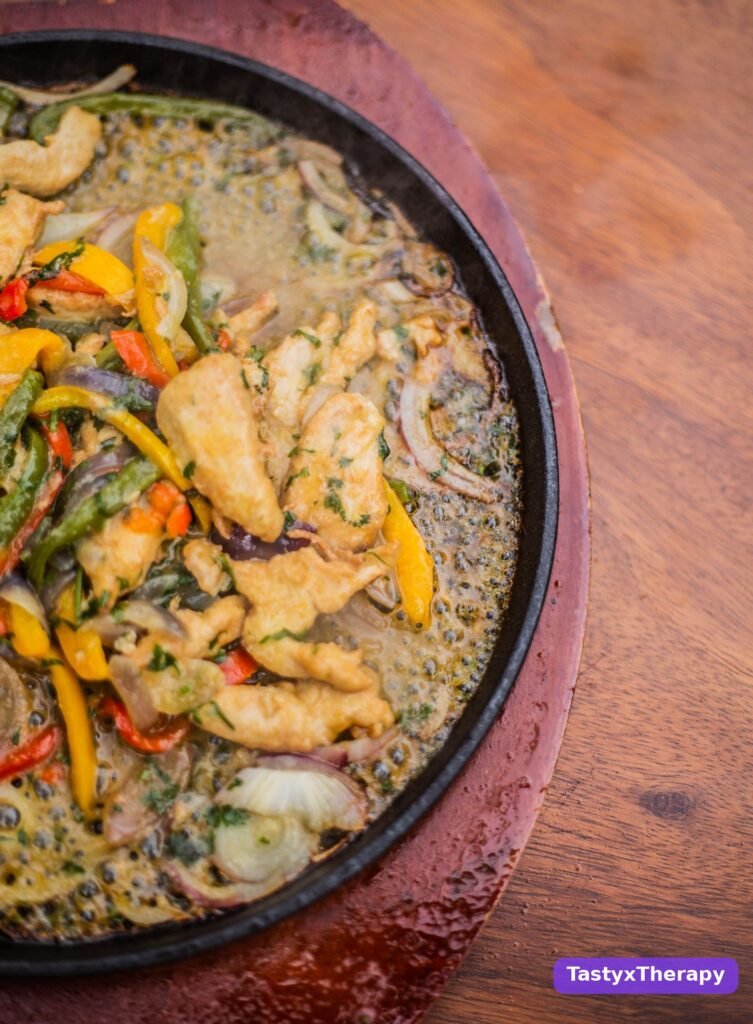
Fajitas are a natural skillet meal: strips of chicken and peppers cooked fast over high heat, served sizzling with warm tortillas and toppings. Cooking them in a skillet rather than the oven keeps the peppers slightly crisp and the chicken juicy, which is exactly how fajitas should be.
Slice two chicken breasts into thin strips and toss with a teaspoon each of cumin, smoked paprika and garlic powder, plus salt, pepper and a drizzle of oil. Slice two peppers and an onion into strips. Heat a skillet until very hot, sear the chicken in a single layer for two to three minutes a side until browned at the edges, and remove. In the same pan, fry the peppers and onion over high heat for four to five minutes until softened at the edges but still bright and slightly crisp. Return the chicken, squeeze over half a lime, and toss for a minute.
Serve straight from the pan with warm tortillas, sour cream or yoghurt, grated cheese, salsa and guacamole, letting everyone build their own. The interactive, help-yourself style makes fajitas a great choice for feeding a group, and the whole meal takes about twenty-five minutes from chopping board to table.
Recipe 4: Tomato and Basil Chicken Skillet Braise
This braise tastes like a slow Sunday sauce but takes about thirty-five minutes, thanks to the skillet and a lid. Chicken simmers gently in tomatoes, garlic and herbs until tender, and the sauce thickens into something wonderful for scooping with bread or spooning over rice.
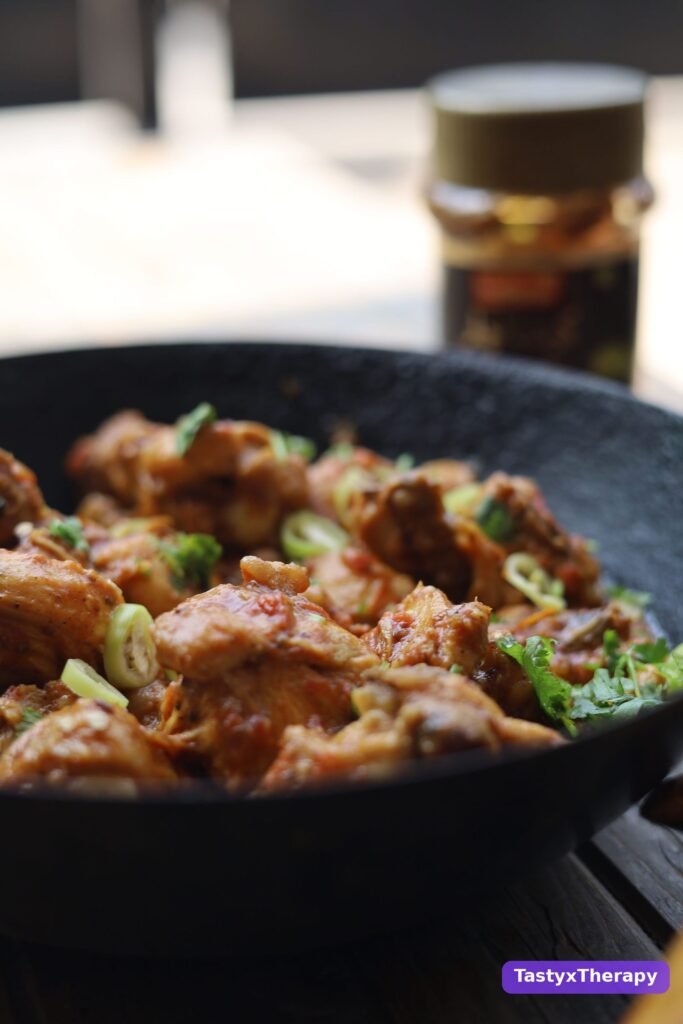
Brown bone-in thighs or drumsticks in olive oil, remove, and soften a chopped onion in the same pan. Add garlic, a pinch of chilli flakes and a tablespoon of tomato paste, and cook for a minute. Pour in a tin of chopped tomatoes and a splash of stock, season, and return the chicken, nestling it into the sauce. Cover and simmer on low for twenty to twenty-five minutes, then uncover and simmer for five more minutes to thicken. Tear over fresh basil and a drizzle of olive oil just before serving.
This is a forgiving recipe — an extra five minutes of simmering will not hurt it, and it tastes even better the next day. It is also a good batch-cooking choice: double it, eat half tonight, and refrigerate or freeze the rest for a night when cooking from scratch is not going to happen.
How to Make a Chicken Skillet Meal Without an Oven
Every good skillet meal follows the same rhythm, and learning it means you can improvise far beyond these four recipes. Start with a dry, seasoned protein and a preheated pan. Sear first, without moving the chicken, until a deep golden crust forms. Remove the chicken and build flavour in the same pan: soften aromatics, bloom spices in fat, and deglaze with liquid, scraping up every browned bit.
Next, add your sauce or vegetables and return the chicken to finish cooking. Use the lid to trap steam for thicker pieces or braises, and leave it off when you want a sauce to reduce and thicken. Taste as you go, adjusting salt, acid and heat. Finally, rest the chicken for a few minutes and finish with something fresh — herbs, lemon, a drizzle of oil — to lift the rich, browned flavours of the pan.
Timing matters more than precision. Thighs generally need ten minutes skin-side down and eight to ten more after flipping; breasts need five to six minutes a side depending on thickness; diced chicken needs only a few minutes per side. A thermometer reading of 74 degrees Celsius in the thickest part confirms doneness, but with practice you will judge it by colour, firmness and timing alone.
Variations for Every Night of the Week
Once the skillet rhythm is familiar, variations are easy. Swap the cream sauce for a lemon and caper butter sauce for a lighter, sharper dish. Swap fajita spices for a soy, ginger and sesame marinade and serve with rice for an Asian-inspired skillet. Add olives, capers and lemon to the tomato braise for a Mediterranean feel, or add chickpeas and spinach to stretch it further.
Vegetables can change with the seasons and with what is in the fridge. Courgettes, aubergines, mushrooms, peppers, green beans and frozen mixed vegetables all work in a skillet, added at the stage that suits their cooking time: root vegetables and peppers early, leafy greens and peas at the very end. The Serious Eats skillet chicken recipes are a good source of further inspiration, with detailed explanations of why each technique works, not just what to do.
Serving Ideas
Skillet chicken is generous about sides, and the best pairing often depends on the sauce. Creamy chicken wants something to absorb sauce — rice, pasta, mashed potatoes or crusty bread. Tomato braises love rice, polenta or bread for scooping. Fajitas need tortillas and cold toppings for contrast. Crispy thighs are wonderful with a simple salad and roasted or steamed vegetables, where the crunch of the skin stands out.
Keep the rest of the plate simple when the skillet dish is rich, and a little more generous when it is lean. A green salad with lemon dressing, a bowl of steamed broccoli, or a cucumber salad takes two minutes and balances a rich pan sauce. Warm the serving plates if you can — skillet food cools quickly once it leaves the pan, and warm plates buy you a few precious minutes at the table. For a freezer-friendly side that works with any of these skillets, the frozen vegetable dinners on this site are an easy match, and the pantry meals guide shares the same one-pan philosophy.
Common Mistakes to Avoid
Crowding the pan is the classic skillet mistake, and it is worth repeating because it ruins more dinners than any other error. Chicken pieces need space to brown; packed together, they steam. Cook in batches if necessary — it feels slower, but the result is so much better that it is actually faster than trying to fix pale, soggy chicken afterwards.
Cooking garlic too hot until it burns is another common error, and burnt garlic turns bitter and taints the whole pan. Add garlic after onions have softened, keep the heat moderate, and push it to the edge of the pan if it darkens too quickly. Moving chicken constantly is a third mistake — let it sit and form a crust, and it will release naturally when it is ready. Finally, do not skip resting. Five minutes off the heat lets juices redistribute and makes the difference between chicken that is juicy and chicken that floods the board.
Frequently Asked Questions
Can I really cook chicken thighs without an oven?
Yes, thighs are ideal for skillet cooking. Bone-in thighs need about ten to twelve minutes skin-side down and eight to ten minutes after flipping, while boneless thighs cook faster. Finishing covered on low heat helps thicker pieces cook through evenly. A thermometer reading of 74 degrees Celsius confirms they are done, and resting for five minutes keeps them juicy.
What is the best skillet for chicken?
A large cast iron or stainless steel skillet is ideal for browning, while a good non-stick pan is the most forgiving for beginners. Size matters more than material: choose a pan large enough for the chicken to sit in a single layer without crowding. A 28 to 30 centimetre skillet suits most family meals, and a 24 centimetre pan is better for two people.
Why does my chicken stick to the skillet?
Sticking usually means the pan was not hot enough, the chicken surface was wet, or it was moved before a crust formed. Pat chicken very dry, preheat the pan until a drop of water sizzles, add oil, and leave the chicken undisturbed until it releases naturally. With cast iron, a well-seasoned surface also helps enormously.
Can I use frozen chicken in a skillet?
Fully defrost chicken before skillet cooking for even results. Frozen pieces brown on the outside while the centre stays undercooked, which is both unsafe and disappointing. Thaw overnight in the fridge, or in a sealed bag under cold water for faster defrosting. Thinly sliced chicken defrosts much quicker than whole pieces if you are in a hurry.
How do I make a pan sauce that is not too thin?
Simmer the sauce uncovered until it coats the back of a spoon, and finish pasta or rice in the sauce if you are serving it that way — the starch thickens it naturally. A knob of cold butter whisked in at the end adds gloss and body, and a spoonful of cream or a little grated cheese will thicken a sauce without flour. Taste and reduce a little longer rather than adding thickeners you do not need.
What sides go with skillet chicken?
Rice, pasta, mashed potatoes and bread all suit saucy skillet chicken, while salads and steamed vegetables balance richer dishes. Frozen vegetables, cooked straight from the bag, are a fast and healthy side that pairs with any skillet recipe here. You can explore more one-pan ideas in the one-pan skillet collection and find fresh recipes on the TastyxTherapy homepage.
5 thoughts on “Chicken Skillet Recipes Without Oven: Easy, Flavorful One-Pan Meals”