
Introduction
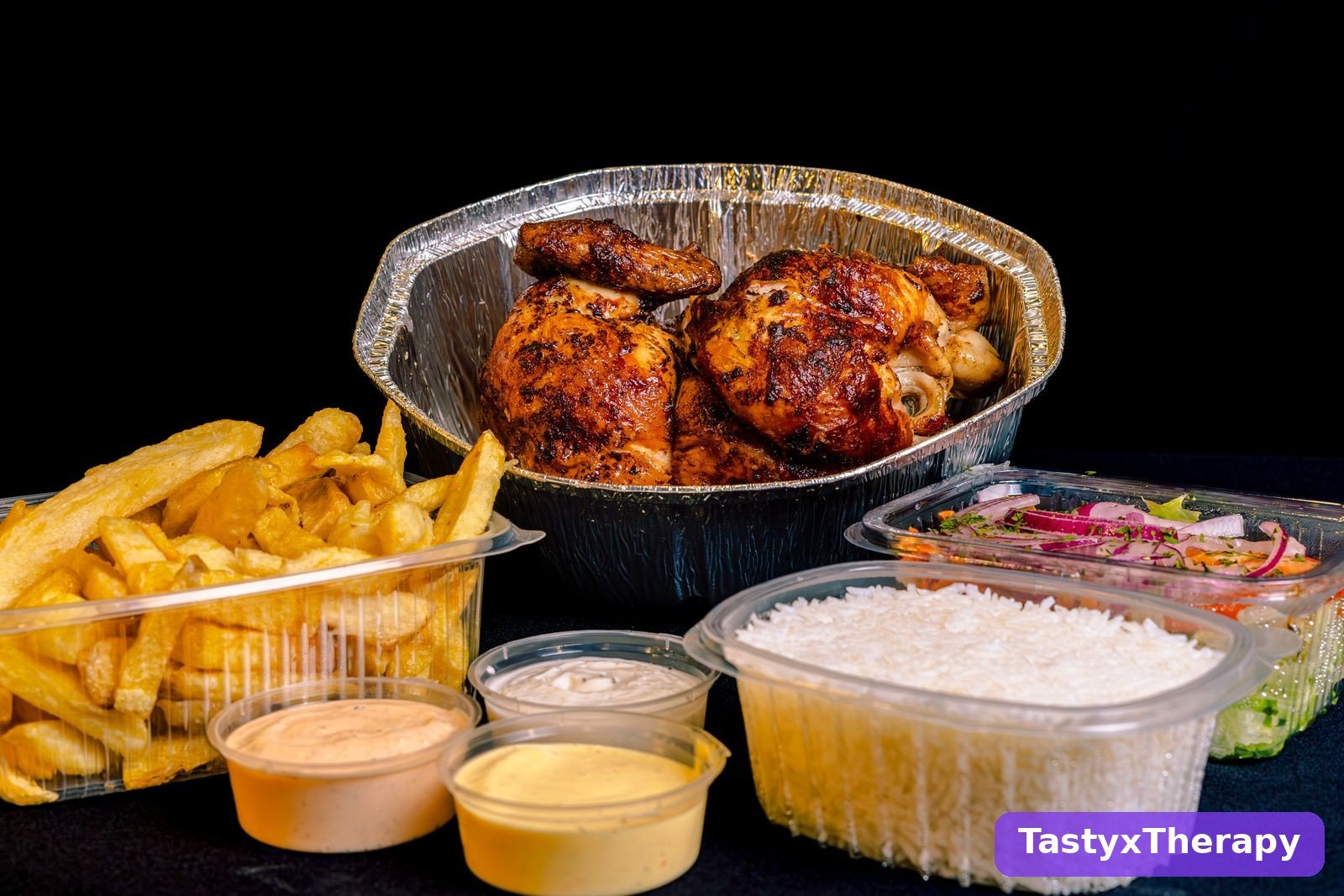
A rotisserie chicken is, in my house, a two-meal purchase. The first meal is easy: hot chicken, straight from the shop, with salad or potatoes, eaten while everyone is still hungry and grateful. The second meal is where the real value lies, because the leftover chicken, especially the darker meat and the bits that are a little harder to carve neatly, is perfect for rice dishes that come together in twenty minutes.
I used to feel a bit guilty about buying a ready-cooked chicken, as if it were a shortcut that did not quite count as cooking. I have stopped feeling that way. A good rotisserie chicken is well seasoned, juicy, and affordable, and using the leftovers well is proper cooking, not a compromise. It saves time, it saves money, and it saves food from being wasted, which matters more to me now than any idea of cooking everything from scratch every night.
Rice is the ideal partner for that leftover chicken. It is already in the cupboard, it stretches a modest amount of meat into a full meal, and it takes on flavour beautifully, whether that flavour is soy and sesame, lemon and herbs, or chilli and lime. The recipes in this article are all designed for busy days, when you want dinner on the table quickly but you do not want it to taste rushed.
You will find fried rice, burrito-style bowls, a creamy rice that feels comforting, a soup-style rice for colder evenings, and a few quick bowl ideas for lunches. None of them require a long ingredient list, and all of them start with chicken that is already cooked, which means the hardest part of dinner is already done.
If you like this kind of practical, leftover-first cooking, the Chicken Recipes collection has more of it, but start with these rice ideas, because they are the ones I make most often when the week gets busy.
Why Rotisserie Chicken Is So Good for Rice Dishes
Rotisserie chicken has two advantages over plain cooked chicken breast. First, it is a mix of white and dark meat, and dark meat, from the thighs and legs, stays juicier when reheated. That means leftover rotisserie chicken is less likely to dry out in a hot pan than leftover breast alone, which is a real advantage in fried rice and bowls.
Second, rotisserie chicken is already well seasoned, often with salt, pepper, herbs, and a little sweetness from the roasting process. That seasoning carries into the rice dish, so you need less added salt and fewer spices to make the meal taste complete. Taste before you add extra seasoning, because it is easy to over-salt a dish that starts with already seasoned chicken.
The skin, too, has a role, though not the one you might expect. Crisp rotisserie skin is wonderful on the first day, but it softens in the fridge. Do not try to crisp it again in rice dishes. Instead, remove the skin, chop or shred the meat, and let the rice provide the texture. If you want crunch, add toasted nuts, crispy onions, or fresh vegetables at the end, rather than relying on day-old skin.
Rotisserie cooking itself is an old and practical method, and a little background on rotisserie chicken shows why this style of cooking produces such juicy, evenly cooked meat. It is slow, even heat, with the chicken basting itself as it turns, which is hard to replicate quickly at home, and another reason a shop-bought bird is such a useful starting point.
Breaking Down and Storing Leftover Rotisserie Chicken
When the first meal is over, break down the chicken while it is still slightly warm, if you can, because cold chicken is harder to shred neatly. Pull the meat from the bones, separating breast meat from thigh and leg meat if you like, and shred or chop it into bite-sized pieces. Save the bones if you have time, because they make excellent stock, even if you just freeze them for later.
Store the meat in an airtight container in the fridge and use it within three days. If you have a lot left, freeze portions in bags, flattened so they thaw quickly, and label them with the date. Frozen rotisserie chicken keeps well for up to two months, and it thaws overnight in the fridge, ready for rice dishes the next day.
Keep any juices from the container, too. Those juices are seasoned and flavourful, and a spoonful stirred into rice adds a depth that stock alone does not quite match. If the juices have set into jelly in the fridge, that is a good sign, it means the chicken was well cooked and the stock is rich. Stir it into a hot pan and it will melt immediately.
Do not leave leftover chicken at room temperature for more than two hours, and do not reheat it more than once. When you use it in rice dishes, heat it until steaming hot all the way through. That is usually easy, because the chicken is added to a hot pan or simmering liquid, but it is worth checking, especially in bowls where the rice may have cooled slightly before serving.
How to Make Rotisserie Chicken Fried Rice
This is the fastest recipe in the article, and the one I make when dinner needs to be ready in fifteen minutes. You will need three cups of cold cooked rice, two cups of shredded rotisserie chicken, two tablespoons of oil, one onion, diced, two garlic cloves, minced, one cup of frozen mixed vegetables, two eggs, beaten, three tablespoons of soy sauce, one teaspoon of sesame oil, and spring onions to finish.
Heat the oil in a large pan or wok over medium-high heat. Cook the onion for two minutes, add the garlic and frozen vegetables, and cook for another three minutes, until the vegetables are heated through. Push everything to one side, scramble the eggs in the empty space, then mix them back in.
Add the rice, breaking up any clumps, and fry for three to four minutes, stirring occasionally, until the rice is hot and starting to crisp. Add the chicken and soy sauce, and stir for two to three minutes, until the chicken is steaming hot and evenly coated. Drizzle over the sesame oil, toss once more, and serve topped with spring onions.
The key, as with all fried rice, is cold rice and a hot pan. Cold rice fries with separate grains, while fresh, steamy rice clumps together. If you only have fresh rice, spread it on a tray to cool for twenty minutes first, and it will fry much better. Do not add the chicken early, or it will dry out. It only needs two to three minutes to heat through.
Burrito-Style Rice Bowls
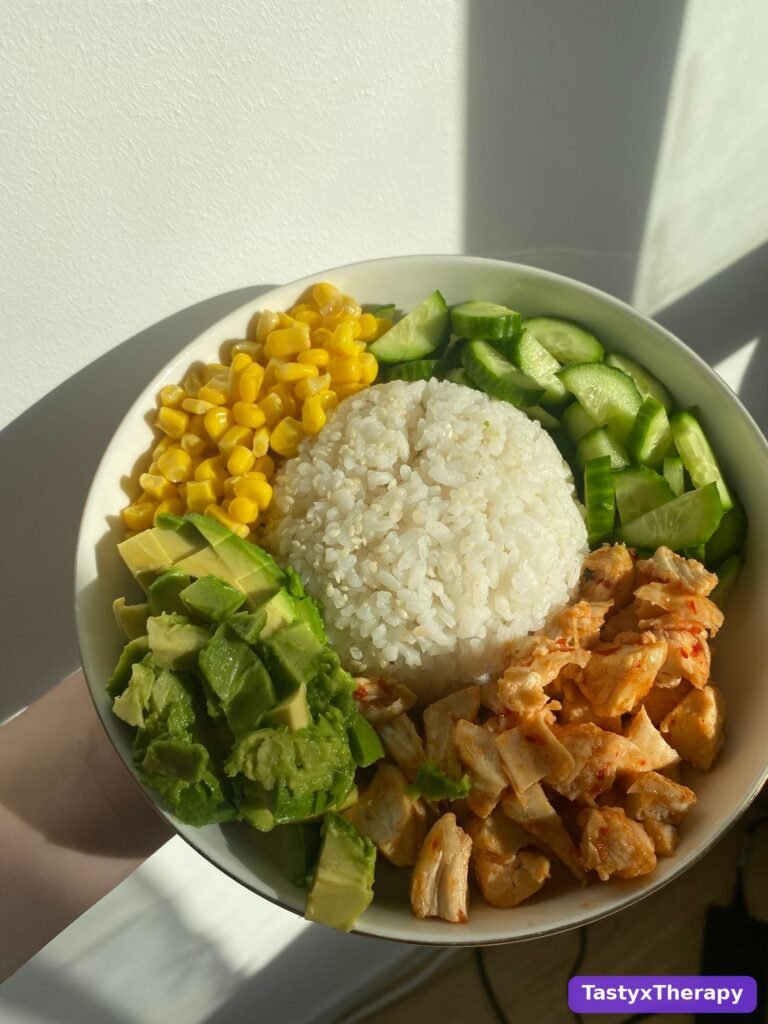
Burrito bowls are a brilliant way to use rotisserie chicken, because they are assembled rather than cooked, which means everyone can build their own bowl. Start with warm rice, seasoned with lime juice, salt, and chopped coriander. Top with shredded chicken, warmed black beans, sweetcorn, diced tomatoes, and a spoonful of salsa or sour cream.
Add crunch with shredded cabbage or lettuce, and creaminess with avocado or guacamole. A squeeze of lime over the top ties everything together, and a sprinkle of chilli flakes or hot sauce lets adults add heat without making the whole bowl spicy for children.
These bowls are also excellent for lunches. Pack the rice, chicken, and toppings separately, and assemble at lunchtime, so nothing goes soggy. The chicken can be eaten cold in a bowl, as long as it was stored properly and has not been left out, though most people prefer it lightly warmed. Either way, it is a meal that feels fresh and generous, not like leftovers at all.
For a variation, swap the salsa for a yoghurt and herb sauce, add cucumber and cherry tomatoes, and you have a Mediterranean-style bowl instead. The chicken and rice base stays the same, but the toppings change the whole character of the meal, which is why bowls are so useful for busy weeks.
Creamy Rotisserie Chicken and Rice
For a comforting dinner, creamy chicken and rice is hard to beat. Melt butter in a pan, cook onion and garlic until soft, add two cups of cooked rice and two cups of shredded chicken, then pour in a cup of stock and half a cup of cream. Simmer gently for five minutes, stirring, until the sauce is creamy and the rice has absorbed some of the liquid.
Stir in Parmesan, lemon zest, and parsley, and season carefully, remembering the chicken is already seasoned. Serve with steamed green beans or a simple salad, because the richness needs a fresh contrast. This dish is particularly good on cold evenings, or when someone in the house is feeling a bit run down and needs something gentle.
Do not overcook this version. Five minutes is enough to heat the chicken and thicken the sauce. Longer cooking will dry the chicken and turn the rice mushy, which is the opposite of comforting. If the sauce gets too thick, add a splash of stock or milk to loosen it, and serve immediately.
Soup-Style Chicken Rice
Soup-style rice is somewhere between a soup and a risotto, and it is wonderful when you have stock to use up. Heat stock in a pot, add rice, and simmer until the rice is almost tender. Add shredded chicken, vegetables such as carrots, peas, or spinach, and simmer for another five minutes, until everything is hot and the rice is soft but not mushy.
Finish with lemon juice, herbs, and a drizzle of olive oil. The result is light but filling, and it is easy to adjust: more stock makes it soupier, less stock makes it more like a risotto. It is also a good way to use the last bits of chicken that are too small for a main dish on their own, because they distribute through the rice and flavour the whole pot.
This style works well with homemade stock made from the rotisserie bones, if you saved them, because the stock carries the same roasted flavour as the chicken. Even shop-bought stock works well, though, especially if you add a little extra garlic and herbs to lift it. Serve with crusty bread for dipping, and you have a complete, warming meal from very little.
Quick Lunch Bowls and Wraps
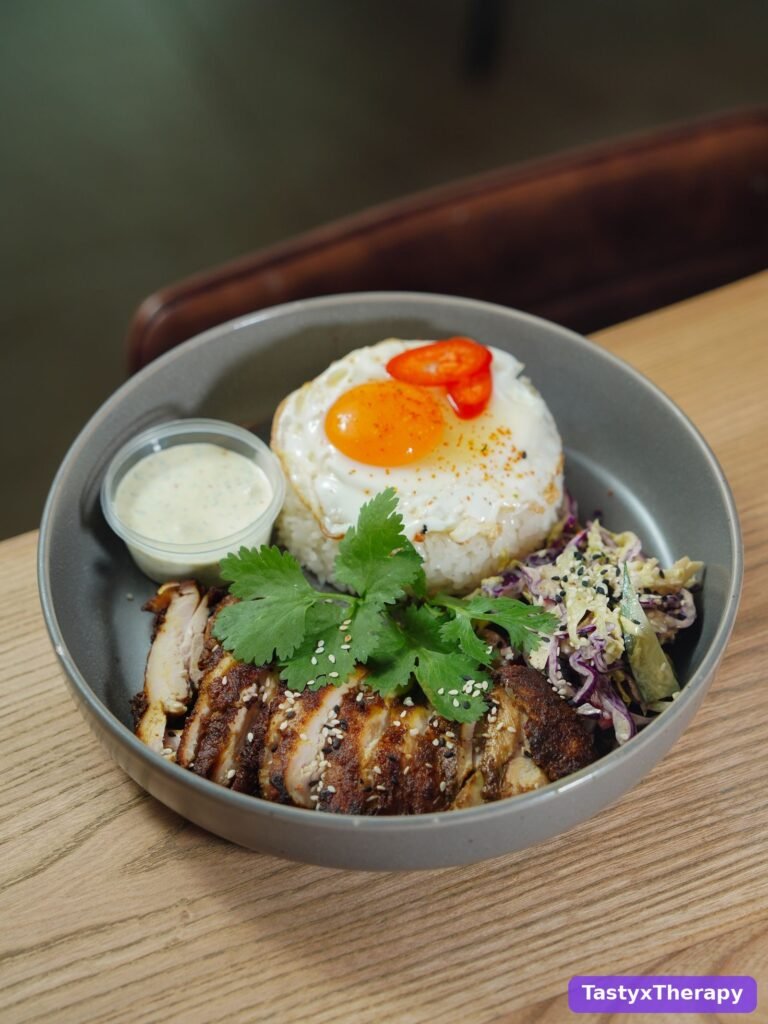
Not every rotisserie chicken and rice meal needs to be a full dinner. For lunch, warm rice and chicken together in a pan with a little soy sauce or curry paste, and serve in a bowl with cucumber, grated carrot, and a fried egg on top. It takes ten minutes and it is far more satisfying than a sandwich made in a hurry.
For wraps, mix shredded chicken with warm rice, a spoonful of sauce, and salad, and roll it tightly in a large tortilla. The rice helps the filling hold together, and the wrap is easy to eat at a desk or on the go. Add a little cheese if you like, though the chicken is already rich enough for most tastes.
Another quick idea is a rice salad for picnics or lunchboxes. Mix cold rice and chicken with diced peppers, sweetcorn, herbs, and a lemon vinaigrette, and chill until serving. It keeps well for a day in the fridge, and it tastes better after the flavours have had time to develop. Just make sure it is kept cool and eaten promptly, as with all rice salads.
If you want more ways to use the whole bird beyond rice, Easy Meals with Leftover Rotisserie Chicken covers pastas, sandwiches, and salads, and if your leftover is rice rather than chicken, Chicken Recipes with Leftover Rice looks at the pairing from the other side.
Serving Ideas
Rotisserie chicken and rice dishes are flexible, and the sides you choose can make them feel different each time. With fried rice, pickled vegetables or a simple cucumber salad add freshness, and chilli sauce on the table lets everyone adjust heat to their taste. With burrito bowls, tortilla chips on the side add crunch, and a big bowl of salsa in the middle makes it feel like a shared meal.
With creamy rice, a sharp green salad is essential, to cut through the richness, and steamed vegetables add colour. With soup-style rice, crusty bread is almost mandatory, for dipping, and a sprinkle of Parmesan on top adds savouriness. With lunch bowls, a piece of fruit or a small salad completes the meal without much extra effort.
For family dinners, serve rice dishes family-style, in large bowls in the middle of the table, with toppings and sauces alongside. People can help themselves, children can pick what they like, and the meal feels relaxed rather than formal. It also means less plating up for the cook, which is a blessing on busy nights.
For guests, a burrito bowl bar is an easy, generous option. Cook a large pot of rice, set out chicken, beans, vegetables, sauces, and toppings, and let everyone build their own bowl. It looks abundant, it accommodates different tastes and dietary needs, and it requires very little last-minute cooking, which means you can actually enjoy your guests.
Tips for Busy-Day Cooking
Keep a few staples ready for these recipes, and busy-day cooking becomes much easier. Soy sauce, sesame oil, stock cubes, tinned beans, frozen vegetables, and a jar of salsa or curry paste cover most of the recipes here, and they all keep well in the cupboard or freezer.
Cook rice in larger batches when you have time, and freeze portions for busy days. Cooked rice freezes well for up to a month, and it thaws quickly in the microwave or in a hot pan. Having rice ready means a rotisserie chicken rice dinner is only ten minutes away, which is faster than ordering takeaway and usually cheaper too.
Label and date your leftovers. It sounds fussy, but it saves the daily question of whether something is still good, and it means you use older leftovers first. A small piece of tape and a pen on the container is enough, and it takes seconds when you are putting food away.
Finally, do not aim for perfection on busy days. A rice bowl with chicken, rice, and one or two toppings is a proper dinner, even if it is not elaborate. The goal is a warm, tasty meal that uses what you have, not a restaurant dish. Rotisserie chicken and rice, done simply and well, already achieve that.
For more everyday recipes, visit TastyxTherapy, and for a balanced look at rotisserie chicken as an ingredient, BBC Good Food chicken recipes is a useful, straightforward reference.
Frequently Asked Questions
How long does leftover rotisserie chicken last?
Leftover rotisserie chicken lasts up to three days in the fridge in an airtight container, if it was cooled within two hours of the first meal. Freeze it if you will not use it in that time, and use frozen portions within two months for the best quality.
Can I use rotisserie chicken cold in rice bowls?
Yes, cold rotisserie chicken is safe in bowls if it was stored properly and has not been left at room temperature. Most people prefer it lightly warmed, but cold chicken in a salad-style rice bowl is perfectly fine and often very tasty, especially with lemon and herbs.
Do I need to remove the skin from leftover rotisserie chicken?
For rice dishes, yes, I recommend removing the skin, because it softens in the fridge and will not crisp again in rice. Use the meat only, and add crunch from fresh vegetables, toasted nuts, or crispy onions instead.
Can I freeze cooked rice for these recipes?
Yes, cooked rice freezes well for up to a month. Cool it quickly, portion it into bags or containers, thaw overnight in the fridge or in a hot pan, and reheat until steaming hot. Frozen rice is excellent for fried rice, because it is drier after thawing.
What is the best rice for leftover chicken recipes?
Long-grain rice, jasmine rice, and basmati rice all work well, because their grains stay separate. Short-grain rice is stickier and better for creamy or soup-style dishes. Use whatever you have, and adjust the liquid slightly if the rice is very sticky or very dry.
How do I stop rotisserie chicken drying out when reheated?
Add it late to hot rice or sauce, heat it just until steaming hot, and do not cook it for a long time. Dark meat is more forgiving than breast meat, so mix both types if you can, and use saucy recipes for breast meat that is already a little dry.