

Introduction
There is a particular kind of tiredness that hits at about six in the evening. You are hungry, the day has taken more out of you than you expected, and the last thing you want to do is go to a shop. You open the cupboard, stare at a tin of tomatoes, half a bag of pasta, some eggs and a jar of peanut butter, and you think: there is nothing to eat here. I have had that exact moment more times than I can count, and I have learned that it is almost never true.
Most of us keep far more dinner in our cupboards than we realise. A tin of beans is a meal waiting for some garlic, chilli and a squeeze of lemon. Eggs turn toast into supper. Pasta, rice and noodles are just a sauce away from something you would happily pay for in a café. The trick is not having a fancier pantry. It is knowing a handful of flexible recipes that bend around whatever you actually have, rather than demanding a shopping list you do not have time for.
That is what this guide is for. No single recipe here needs a special trip. Each one starts from ordinary staples — the things that sit in most kitchens for weeks without anyone noticing — and each one can be swapped, stretched and seasoned to taste. If you are missing one ingredient, there is usually a stand-in already on your shelf. And if you want more ideas for quick one-pan cooking once you have got the hang of this, the one-pan recipes on TastyxTherapy are a good place to keep browsing.
Why “Ingredients I Have” Cooking Works So Well
Cooking from what you have is not a compromise. In many ways it is better cooking, because it forces you to pay attention to flavour instead of following a recipe word for word. When you cannot hide behind a long list of exotic ingredients, you learn what actually makes food taste good: salt used properly, something acidic to lift it, fat to carry flavour, and heat applied with a bit of patience.
It is also cheaper, and less wasteful. Food bought on impulse often goes soft in the fridge while the tins at the back of the cupboard stay untouched for months. Building dinner around those tins means fewer forgotten vegetables, fewer last-minute takeaways, and a grocery bill that stops creeping up week after week. I keep a running note on my phone of what is actually in my cupboard, and I cross things off as I use them. It takes thirty seconds and it has saved me from buying my fourth jar of cumin.
Another quiet benefit is confidence. The first time you turn a tin of chickpeas into a genuinely good dinner, you stop believing that good food requires a recipe book and a fully stocked fridge. You start improvising. You taste as you go. You learn that a splash of vinegar can rescue a flat sauce, and that a fried egg on top makes almost anything feel like a proper meal. That confidence carries into every other kind of cooking you do.
What Counts as a Good Pantry
You do not need a pantry that looks like a photograph. You need a small, reliable core that covers the main jobs: something starchy, something protein-rich, something tomatoey, something to add heat and acid, and a few fats and seasonings. My own core looks something like this, and most of it keeps for months.
For starch, I keep pasta, rice, noodles and a loaf of bread in the freezer. Sliced bread from frozen toasts beautifully and is far better than a sad, stale end of a loaf. For protein, tinned beans, chickpeas and lentils, eggs, tinned tuna and peanut butter do most of the work. Tinned tomatoes, tomato paste and a jar of passata cover sauces, soups and braises. Then come the flavour builders: garlic, onions, dried herbs, chilli flakes, soy sauce, vinegar, honey, mustard and stock cubes. Olive oil and butter handle the fat, and salt and black pepper do the rest.
Fresh things help, but they are bonuses, not requirements. A lemon lasts weeks in the fridge and wakes up almost any pantry dish. A bunch of spring onions or a handful of spinach can be added at the end if you have them, but none of the recipes below falls apart without them. If you want to read a little about how pantries became the heart of home kitchens, the history of the pantry is surprisingly interesting — it was once a whole room, not just a cupboard shelf.
Five Rules for Cooking Without a Shopping List
First, build around one main ingredient, not five. Pick the thing you have most of — a tin of beans, a bag of pasta, three eggs — and let everything else support it. Dinners built this way taste focused rather than muddled.
Second, season in layers. Salt the pasta water generously, season the sauce, then taste again at the end. A dish that tastes dull usually needs salt or acid, not another ingredient. A squeeze of lemon or a spoonful of vinegar at the finish can change everything.
Third, use fat properly. A glug of olive oil, a knob of butter, or the oil from a tin of tuna carries flavour around the pan in a way water never will. Toasting spices in oil for thirty seconds before adding tomatoes or beans deepens their flavour enormously.
Fourth, think about texture. Pantry food can turn soft and samey if you are not careful. Toasted breadcrumbs, a fried egg with a crisp edge, crunchy toasted nuts or seeds, or a scattering of chopped onion added raw at the end all stop a bowl of something soft from feeling boring.
Fifth, keep dinner to one pan where you can. Fewer pans means less washing up, but it also means flavours build on each other. Pasta finished in its own sauce, beans simmered in the same pan as their garlic and chilli, and eggs poached directly in tomato sauce all taste better for sharing a pan.
Recipe 1: Garlicky Pantry Pasta with Beans and Greens
This is the dinner I make when I am too tired to think. It takes about twenty minutes, uses one large pan plus the pasta pot, and it tastes far more considered than it has any right to. The beans make it filling, the garlic and chilli make it interesting, and a good handful of cheese at the end ties it together.
You will need about 300 grams of short pasta, a tin of cannellini beans or chickpeas, four cloves of garlic, a pinch of chilli flakes, a tin of chopped tomatoes, olive oil, salt, black pepper and something cheesy — Parmesan if you have it, but crumbled feta or even grated Cheddar works. If there is spinach, kale or a few herbs in the fridge, throw them in, but do not worry if there are not.
Boil the pasta in well-salted water until it is just shy of done, and save a mug of the starchy cooking water before you drain it. Meanwhile, warm olive oil in a wide pan, soften sliced garlic gently until it smells sweet rather than sharp, and add the chilli flakes. Tip in the tomatoes, season, and let them bubble for five minutes until they lose their raw, tinny edge. Add the drained beans and a splash of pasta water, and simmer for another few minutes until the sauce thickens slightly. Toss the pasta through the sauce with more pasta water as needed until it turns glossy, fold in any greens until they wilt, and serve with cheese and black pepper. It is the sort of meal that makes you wonder why you ever thought you had nothing to eat.
Recipe 2: Egg Noodles with Soy, Peanut and Whatever Vegetables You Have
Instant noodles get a bad reputation, but the noodles themselves are just a useful staple. The trick is to treat the packet as a base and build a real sauce around it. This version is salty, nutty, a little sweet and very fast, and it works with fresh, frozen or tinned vegetables.
Cook two blocks of noodles according to the packet, drain, and set aside. In the same pan, heat a little oil and fry a sliced onion and any vegetables you have — frozen mixed vegetables straight from the bag are perfect here — until they soften. Whisk together two tablespoons of peanut butter, two tablespoons of soy sauce, a tablespoon of vinegar, a teaspoon of honey and a splash of hot water until smooth. Pour it over the vegetables, add the noodles, and toss until everything is coated and glossy. Top each bowl with a fried or soft-boiled egg, a drizzle of chilli oil if you like heat, and a squeeze of lime or lemon.
The peanut sauce is worth learning by heart because it rescues more than noodles. It is good tossed through rice, spooned over roasted vegetables, or thinned into a dressing for a cabbage salad. Once you have it in your repertoire, a jar of peanut butter stops being a toast topping and becomes a dinner ingredient in its own right.
Recipe 3: Crispy Bean Quesadillas from the Cupboard
Quesadillas sound like a weekend project, but with tinned beans and tortillas or flatbreads they are a ten-minute dinner. The secret is mashing half the beans so the filling holds together, and cooking the quesadillas slowly enough that the outside goes properly crisp without burning.
Mash a tin of black beans or kidney beans roughly with a fork, leaving plenty of whole beans for texture. Stir in a teaspoon of cumin, a pinch of chilli, a squeeze of lemon, salt and a handful of grated cheese. If you have sweetcorn, tinned or frozen, add a small handful, and if there is a jar of salsa or some chopped pickled jalapeños, a spoonful of either lifts the whole thing. Spread the mixture over half of each tortilla, fold, and cook in a dry or lightly oiled pan over medium heat for three to four minutes a side until golden and crisp.
Serve with anything cold and sharp you have: yoghurt with lemon, salsa, pickled onion, or just a simple salad of whatever is in the fridge. Children tend to love these because they can eat them with their hands, and adults love them because the washing up is one pan and a fork. They also reheat surprisingly well in a dry pan the next day, which makes them a useful lunchbox option too.
Recipe 4: Shakshuka, the Pantry Hero
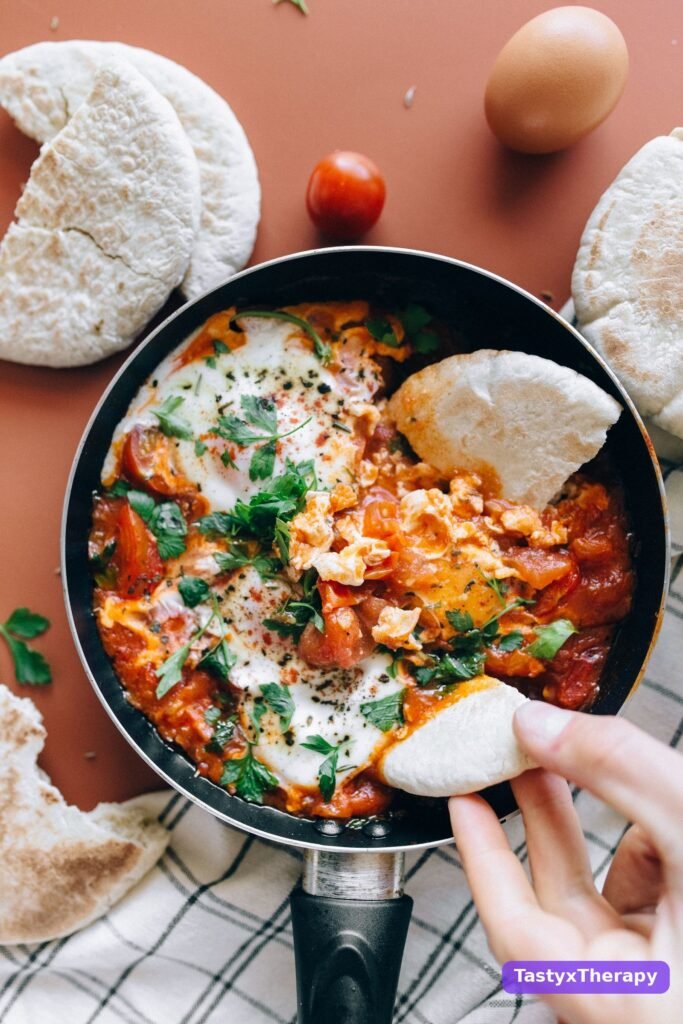
Shakshuka is eggs poached in a spiced tomato sauce, and it is one of the best examples of pantry cooking there is. It sounds fancy, it looks impressive in the pan, and it is almost entirely tins and spices. It works for dinner just as well as for brunch, especially with bread for scooping.
Soften a chopped onion in olive oil, add two sliced cloves of garlic, a teaspoon of cumin and a teaspoon of paprika, and cook until fragrant. Add a tin of chopped tomatoes and a tablespoon of tomato paste, season well, and simmer for ten minutes until thick. Make little wells in the sauce and crack in four eggs, cover the pan, and cook on low for six to eight minutes until the whites are set but the yolks are still soft. Scatter over herbs, feta or chilli flakes if you have them, and serve straight from the pan with toast, flatbread or rice.
The sauce itself is worth making in a double batch. It keeps in the fridge for three days and freezes well, so a future dinner can be as simple as reheating sauce and cracking in eggs. That is the pantry mindset in miniature: cook once, eat twice, and never let a tin of tomatoes sit unused again.
How to Make a Pantry Dinner in 20 Minutes
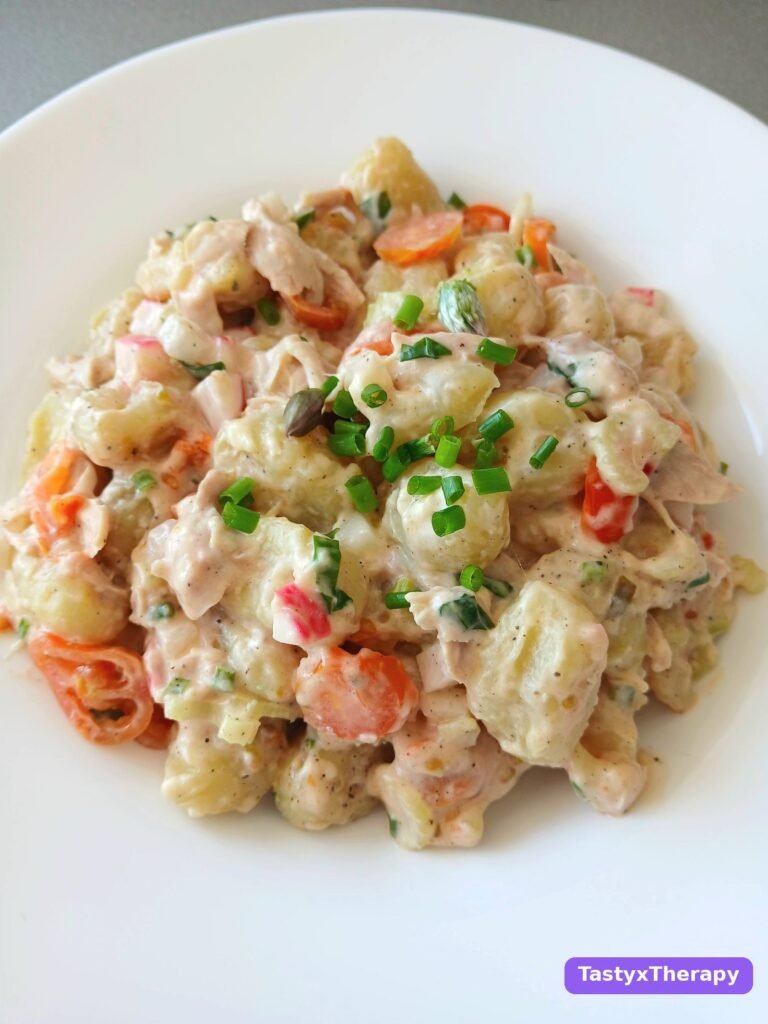
If you only remember one method from this guide, make it this one. It is less a recipe and more a rhythm you can use on any busy night, whatever is in your cupboard. Start by putting a pot of salted water on to boil or heating a wide pan with oil — whichever your main starch needs. While it heats, choose your protein: beans, eggs, tuna or lentils. Open it, drain it if needed, and set it aside.
Next, build flavour in the pan. Soften onion and garlic in oil, add spices or chilli, and let them cook for a minute until the kitchen smells like dinner is actually happening. Add your tomato, stock or sauce base, season, and let it simmer while the pasta or rice cooks. This simmering time is not wasted — it is when a tin of tomatoes stops tasting like a tin and starts tasting like sauce.
Then bring it together. Drain the starch, saving some cooking water, and toss it through the sauce with the protein. Taste, adjust salt and acid, and add anything fresh at the very end so it stays bright. Serve in warm bowls, finish with cheese, herbs, oil or chilli, and sit down. The whole process, once you have done it a few times, genuinely takes about twenty minutes, and it leaves you with one pan and one pot to wash.
Variations That Keep Pantry Dinners Interesting
The danger with pantry cooking is falling into a rut, making the same pasta three nights in a row until nobody wants it any more. Small changes prevent that without any extra shopping. Change the cuisine direction: the same beans and tomatoes become Mexican with cumin and lime, Italian with oregano and Parmesan, or Middle Eastern with cumin, lemon and a spoonful of yoghurt. Change the starch: yesterday’s pasta sauce is today’s rice bowl or toast topping. Change the heat: chilli flakes, black pepper, mustard, hot sauce and pickled things all shift a dish in different directions.
Texture swaps help too. If a dish felt too soft last time, add toasted breadcrumbs or nuts next time. If it felt too rich, add something pickled or a squeeze of citrus. Keep a few finishing touches on hand — a bottle of hot sauce, a jar of capers, a bag of seeds — and a familiar dinner can feel new again with almost no effort. The BBC Good Food storecupboard collection is a useful source of further ideas in this same spirit, with recipes built around tins, jars and dried goods.
Storing, Stretching and Using Leftovers
Pantry dinners are naturally good at stretching. A pot of bean pasta made for two easily feeds three if you add an extra tin of beans and a little more pasta water, and the leftovers reheat well for lunch. Rice dishes can be turned into fried rice the next day with an egg and whatever vegetables remain. Bean quesadilla filling keeps for two days in the fridge and makes a quick toastie filling or jacket potato topping.
Cooked pasta with sauce keeps for two to three days refrigerated, but keep the sauce and pasta separate if you can, so the pasta does not go soggy. Shakshuka sauce freezes for up to three months in a tub, and frozen bread means toast is always available for scooping. Label frozen things with masking tape and a marker — future you will be grateful, because every tub of red sauce looks identical after a month in the freezer.
Serving Ideas
Pantry dinners do not need elaborate sides. What they need is one fresh or sharp contrast: a simple salad, pickled vegetables, a dollop of yoghurt, or a piece of good bread. A bowl of garlicky bean pasta with a handful of rocket or a simple cucumber salad feels complete in a way the pasta alone does not. Egg noodles with peanut sauce are better with something crunchy on top, whether that is spring onions, toasted peanuts or shredded cabbage.
Think about the bowl as well as the food. Warm bowls keep food hot longer, which matters when dinner is served in a hurry and eaten slowly. A final drizzle of good olive oil, a scattering of herbs, or a wedge of lemon on the side costs nothing and makes a simple dinner feel intentional. If you are cooking for guests on a busy night, serve shakshuka straight from the pan in the middle of the table with plenty of bread — it looks generous, it tastes wonderful, and nobody will guess it came entirely from the cupboard. For another easy one-pan idea that follows the same low-effort logic, try the chicken skillet without an oven when you do have chicken to hand.
Common Mistakes to Avoid
The most common mistake is under-seasoning. Pantry ingredients are mild by nature, so they need confident salt, acid and spice. Taste at every stage, not just at the end. Another mistake is cooking garlic too hot until it turns bitter — gentle heat and patience give you sweet, mellow garlic instead. A third is drowning pasta in sauce that is too thin; finishing pasta in the sauce with starchy water thickens it naturally and helps it cling.
Also, resist the urge to add everything at once. A cupboard full of half-used jars can tempt you into a dinner with ten competing flavours. Pick three or four strong flavours and let them shine. And finally, do not skip the resting minute. Letting a pan sit off the heat for a minute before serving lets flavours settle and sauces thicken slightly, and it is often the difference between a good dinner and a great one.
Frequently Asked Questions
What can I cook if I only have pasta, eggs and tinned tomatoes?
Pasta with a quick tomato sauce and a fried egg on top is a complete, satisfying dinner. Make the sauce with garlic, chilli and olive oil, toss through the pasta, and finish with a fried egg and cheese if you have it. Shakshuka is another option: simmer the tomatoes with spices, poach eggs directly in the sauce, and serve with bread or toast.
How do I make pantry meals taste less boring?
Season boldly and add contrast. Salt and acid are the biggest levers — taste and adjust with lemon, vinegar or pickles. Add texture with toasted breadcrumbs, nuts or a crisp fried egg, and finish with fresh herbs, chilli oil or a drizzle of good olive oil. Changing the spice direction, for example from Italian herbs to cumin and lime, also makes a familiar base feel completely different.
Are tinned beans and tomatoes healthy?
Yes, they are genuinely useful staples. Beans provide fibre and plant protein, and tinned tomatoes are rich in lycopene, which becomes more available when tomatoes are cooked. Rinse tinned beans to reduce sodium, and check labels for added sugar in tomato products. Combined with whole grains, vegetables and a little healthy fat, pantry meals can be very balanced indeed.
How long do pantry staples actually last?
Most dried pasta, rice and noodles keep for a year or more in a cool, dry cupboard, and tinned goods last for years, though quality is best within the printed date. Spices lose punch after about a year, so replace ground spices annually if you can. Oils go rancid eventually, so store them away from heat and light and sniff before using if a bottle has been open for a long time.
Can I cook these recipes without fresh herbs or cheese?
Absolutely. Herbs and cheese are finishing touches, not foundations. Dried herbs, chilli flakes, lemon zest, toasted seeds and a good drizzle of oil can provide the same lift. The recipes in this guide are written so that the core dish works on tins, jars and dried goods alone, with fresh extras listed as optional improvements rather than requirements.
What should I always keep in stock for busy nights?
Start with pasta, rice, tinned tomatoes, tinned beans, eggs, onions, garlic, olive oil, soy sauce, vinegar, stock cubes, chilli flakes and dried herbs. From that base you can make pasta, rice bowls, shakshuka, quesadillas and noodle dishes without thinking. Add peanut butter, tinned tuna and flatbreads when you can, and you will rarely need to wonder what is for dinner again. If you are also looking for a freezer-led dinner idea, the frozen vegetable dinners on TastyxTherapy pair well with everything here, and the full TastyxTherapy homepage is worth a browse when you want a fresh idea.
1 thought on “Easy Meals With Ingredients I Have: Simple Recipes for Busy Days”