

Introduction
There is a bag in almost every freezer that gets overlooked until it is needed in a panic: mixed vegetables, peas, broccoli, stir-fry mix, sweetcorn. We buy them with good intentions, and then we reach for them only when the fridge is empty and dinner feels like a problem. I used to do exactly that, and I used to cook them badly too — boiled until soft, served plain, and eaten without enthusiasm. It took me a while to realise that frozen vegetables are not a compromise ingredient. Cooked properly, they are often better than tired fresh vegetables that have sat in the fridge for a week.
Frozen vegetables are picked and frozen at their peak, which means they keep their nutrients, colour and flavour far better than most people assume. They are already washed, peeled and chopped, which saves ten minutes of preparation on a busy night. They do not go off in three days. And they are cheap, which means a healthy dinner does not have to cost a fortune or require a shopping trip.
This guide is about cooking frozen vegetables well, not just using them up. You will find five dinners that put the freezer bag at the centre of the meal, plus the techniques that stop frozen vegetables from going soggy — high heat, dry pans, good seasoning, and sauces that actually taste of something. Once you know those techniques, a bag of frozen vegetables stops being an emergency backup and becomes one of the most useful things in your kitchen.
Why Frozen Vegetables Deserve More Respect
The nutritional case for frozen vegetables is strong. Vegetables lose nutrients over time after picking, and fresh vegetables that travel long distances and sit in shops and fridges can lose a significant amount before they are eaten. Frozen vegetables are blanched and frozen quickly after harvest, locking in vitamins and minerals. In many comparisons, they match or even beat fresh vegetables that are several days old.
Convenience is the other half of the story. There is no washing, peeling or chopping, no waste from parts you do not use, and no guilt about a bag of spinach turning to soup in the fridge. You can cook exactly the amount you need and put the rest back in the freezer. For busy households, that combination of nutrition, convenience and low waste is hard to beat, and it makes healthy eating much more realistic on nights when time is short.
Cost matters too. Frozen vegetables are usually cheaper per serving than fresh, especially out of season, and because they do not spoil, you actually eat what you buy. A freezer stocked with a few bags of vegetables, plus staples like rice, pasta and eggs, means dinner is always possible without a shop trip — which is exactly the kind of safety net busy weeks need.
The Golden Rules for Cooking Frozen Vegetables
Frozen vegetables go wrong for predictable reasons, and all of them are avoidable. The first rule is: do not boil them for a long time unless they are going into soup. Boiling leaches flavour and turns texture to mush. Roasting, stir-frying, sautéing and simmering briefly in sauce all give better results.
The second rule is high heat and space. Frozen vegetables release water as they thaw, and if the pan is crowded or too cool, they steam in that water instead of browning. Use a large pan, heat it properly, cook in batches if needed, and do not stir constantly — let vegetables sit long enough to develop a little colour. That browning is where flavour comes from.
The third rule is seasoning. Frozen vegetables are blanched before freezing, which means they are mild and need confident seasoning. Salt, garlic, chilli, soy sauce, lemon, herbs and spices all help, and a drizzle of good oil or a knob of butter at the end adds richness. Taste and adjust, because under-seasoned vegetables are the main reason people think they do not like them.
The fourth rule is to add frozen vegetables at the right stage. In soups and stews, add them in the last ten to fifteen minutes so they stay bright and tender. In stir-fries, add them straight from frozen to a hot pan. In pasta, add them to the boiling water for the last two minutes. Timing, more than any special ingredient, is what keeps frozen vegetables tasting fresh.
Recipe 1: Speedy Frozen Vegetable Stir-Fry with Noodles
This is the dinner I make when I have twenty minutes and an empty fridge. It is fast, colourful, and endlessly variable, and it uses the stir-fry bag that so many freezers already contain.
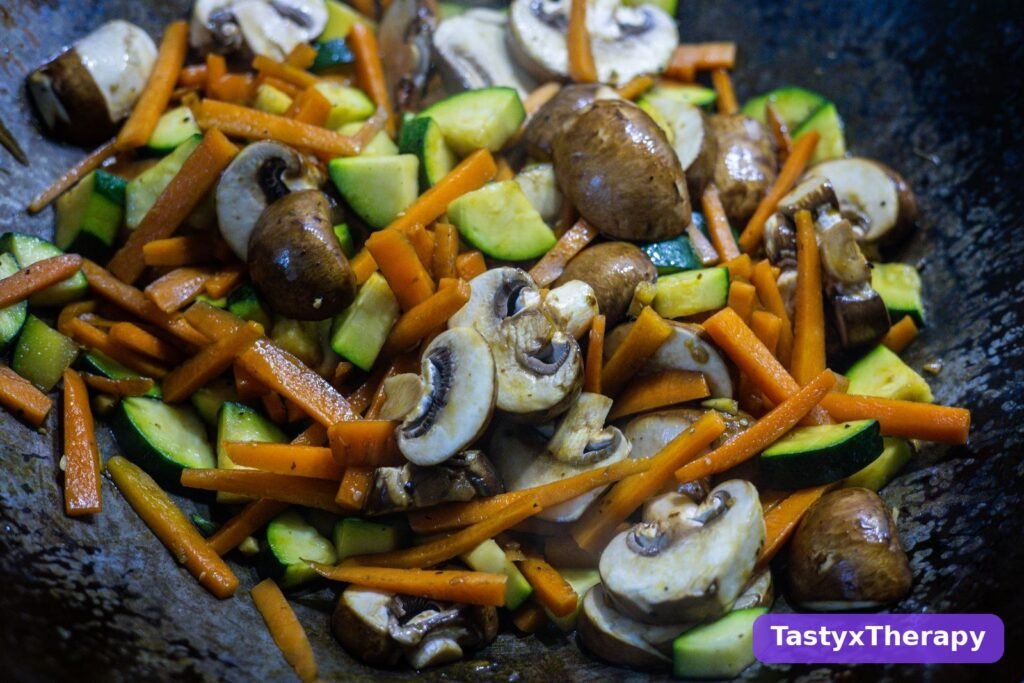
Heat a tablespoon of oil in a large pan or wok until it shimmers. Add a sliced onion and cook for two minutes, then add a bag of frozen stir-fry vegetables straight from the freezer — do not thaw them first. Cook over high heat, stirring occasionally but letting the vegetables sit long enough to brown slightly, for five to six minutes until hot and just tender. Add two crushed garlic cloves and a thumb of grated ginger for the last minute.
Meanwhile, cook noodles according to the packet and drain. Whisk a sauce from two tablespoons of soy sauce, a tablespoon of oyster sauce or hoisin, a teaspoon of honey, a teaspoon of vinegar and a splash of water. Toss the noodles and sauce through the vegetables, add a fried egg or shredded chicken if you have it, and serve with sesame seeds, spring onions and chilli oil. The whole meal takes about fifteen minutes, and it tastes like something you planned rather than something you threw together.
Recipe 2: Creamy Frozen Vegetable Pasta
Pasta and frozen vegetables are a natural pair, because the vegetables cook in the same pot in the last few minutes and the sauce brings everything together. This version is creamy, comforting and ready in about twenty minutes.
Boil pasta in salted water. Two minutes before it is done, add a bag of frozen mixed vegetables or broccoli directly to the pot. Drain, saving a mug of pasta water. Meanwhile, soften a sliced garlic clove and a chopped onion in olive oil and butter, add 200 millilitres of cream and a handful of grated Parmesan, and simmer gently for three minutes. Toss the pasta and vegetables through the sauce with splashes of pasta water until glossy, season with black pepper and lemon zest, and serve with extra Parmesan.
Variations are easy: add peas and mint for a spring feel, add mushrooms for earthiness, or stir in a tin of tuna or some shredded chicken for protein. The pasta water is the secret here — its starch thickens the sauce and helps it cling to every piece of pasta and vegetable, so do not skip saving it.
Recipe 3: Frozen Vegetable Fried Rice
Fried rice is one of the best destinations for frozen vegetables, because the high heat and constant tossing suit them perfectly, and because day-old rice fries better than fresh rice. If you have leftover rice, this recipe is almost free.
Heat oil in a large pan until very hot. Add frozen mixed vegetables, peas or sweetcorn straight from the bag and fry for three to four minutes until hot and starting to colour. Push to the side, scramble two eggs in the empty space, then add three cups of cold cooked rice, breaking up clumps. Fry for three to four minutes, letting the rice crisp in places, then stir in two tablespoons of soy sauce, a teaspoon of sesame oil and a pinch of white pepper. Add shredded chicken, prawns or tofu if you have them, toss until hot, and finish with spring onions and lime.
The key is a hot pan and patience. Let the rice sit for a minute between stirs so it crisps, rather than stirring constantly. If the pan is crowded, cook in two batches. Done well, this fried rice is better than most takeaway versions, and it costs a fraction of the price.
Recipe 4: Hearty Frozen Vegetable and Bean Soup
Soup is where frozen vegetables truly shine, because they are added to a flavourful broth rather than served plain, and because soup forgives — and even benefits from — a mix of vegetables. This bean soup is filling, cheap and freezes beautifully.
Soften a chopped onion, carrot and celery stick in olive oil, add two garlic cloves and a teaspoon of cumin or thyme, and cook for a minute. Pour in a litre of stock and a tin of chopped tomatoes, add a tin of drained beans, and simmer for fifteen minutes. Add a bag of frozen mixed vegetables and simmer for ten more minutes until tender. Season well, finish with lemon juice and parsley, and serve with crusty bread.
This soup is a template, not a fixed recipe. Swap beans for lentils, add pasta or rice to make it heartier, or blend half of it for a thicker texture while leaving the rest chunky. Make a double batch and freeze half in portions — a tub of homemade soup in the freezer is one of the best defences against an expensive takeaway on a tired night.
Recipe 5: One-Pan Frozen Vegetable and Chicken Skillet
For a complete one-pan dinner, combine frozen vegetables with chicken in a skillet. It is the kind of meal that feels substantial without needing an oven or a long list of ingredients, and it follows the same logic as the other recipes here: high heat, good seasoning, one pan.
Dice two chicken breasts or four boneless thighs and season well. Brown in olive oil in a large skillet for five to six minutes, then remove. In the same pan, fry a sliced onion and a bag of frozen vegetables over high heat for five minutes until hot and lightly coloured. Add garlic, a teaspoon of paprika and a splash of stock, scraping up the browned bits. Return the chicken, cover, and cook on low for eight to ten minutes until cooked through. Finish with lemon juice and herbs, and serve with rice, pasta or flatbreads.
The pan sauce here is simple but effective: stock deglazes the fond left by the chicken, and the vegetables soak up that flavour as they finish cooking. It is a good example of why one-pan cooking works — flavours that would be separate in different pots build on each other in one.
How to Make Frozen Vegetables Taste Great
Great frozen vegetable cooking comes down to technique more than recipes. Start with a hot pan and a little oil, and add vegetables straight from frozen — thawing them first makes them wet and soggy. Give them space: a crowded pan steams, a roomy pan browns. Season early and taste late, because frozen vegetables need more seasoning than fresh ones and the right amount only becomes clear once they are cooked.
Finish with something bright or rich. A squeeze of lemon, a drizzle of olive oil, a knob of butter, a spoonful of pesto, or a scattering of herbs or toasted seeds can transform a pan of vegetables from plain to appetising. Texture helps too: toasted breadcrumbs, nuts, a fried egg, or crunchy raw onion added at the end stop a soft dish from feeling one-dimensional. And do not be afraid of strong flavours — garlic, chilli, soy sauce, curry paste and smoked paprika are all friends of frozen vegetables, not enemies. For a clear overview of how freezing preserves vegetables, the article on frozen vegetables explains the process well, and the comparison of fresh and frozen produce on BBC Good Food frozen vegetable recipes is a useful, evidence-based read.
Stocking a Freezer for Busy Nights
A well-stocked freezer is a weeknight superpower, and vegetables are only part of it. Keep three or four bags of vegetables you actually like — mixed vegetables, broccoli, peas and a stir-fry mix cover most dinners — plus frozen berries for breakfasts, sliced bread for toast, and a protein or two, whether that is chicken, prawns or tofu. Add a few bags of cooked rice or grains if you like, and dinner becomes assembly rather than cooking from scratch.
Label everything with the date, and use older bags first. Frozen vegetables keep for months, but quality is best within six to eight months, and a bag that has been open for a year and coated in ice crystals will not taste as good as a fresh one. Keep bags sealed tightly, squeeze out air before resealing, and store them flat if space is tight — they stack better and thaw more evenly that way.
Serving Ideas
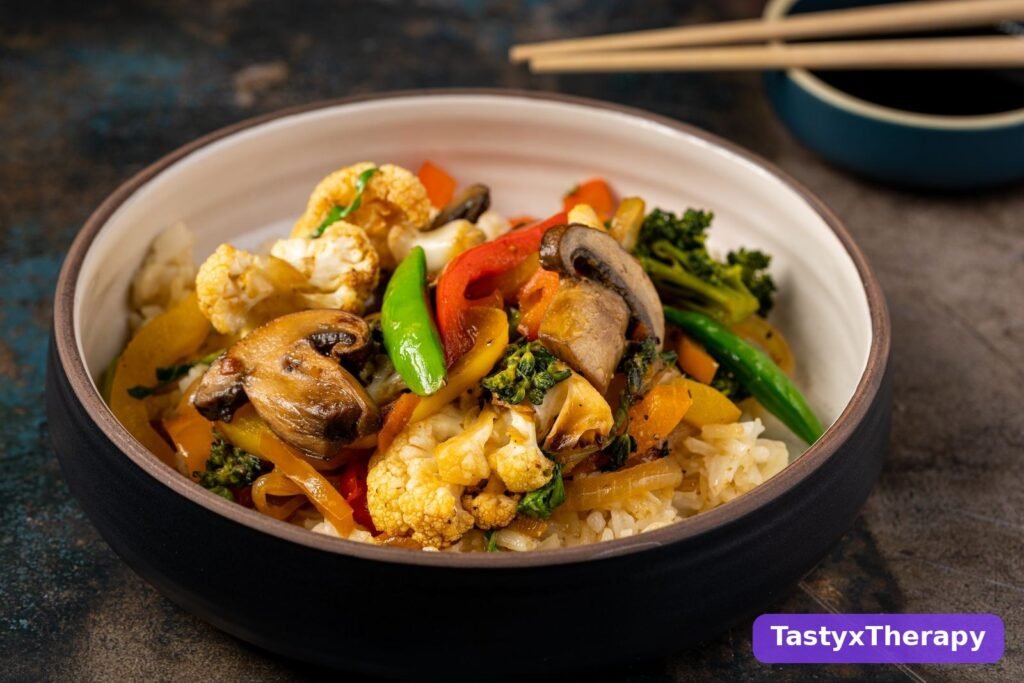
Frozen vegetable dinners pair with almost anything, which is part of their charm. Stir-fries want rice or noodles and something crunchy on top. Creamy pasta is complete on its own but better with a simple salad and garlic bread. Fried rice is a meal in itself, especially with a fried egg on top. Soup wants crusty bread, full stop, and a drizzle of good oil or a spoonful of yoghurt on top.
Think about colour and contrast on the plate. A bowl of fried rice with spring onions, sesame seeds and a lime wedge looks and tastes more appealing than the same rice served plain. A creamy pasta with lemon zest and black pepper feels finished rather than merely cooked. Small finishing touches cost almost nothing and make frozen vegetable dinners feel intentional rather than improvised. If you want a chicken-focused version of the same idea, the chicken skillet recipes on this site use a similar one-pan approach, and the pantry meals guide shows how freezer and cupboard cooking work together.
Common Mistakes to Avoid
Boiling frozen vegetables for too long is the most common mistake, and it is the one that gives them their bad reputation. Unless they are going into soup, use high-heat methods and short cooking times. Crowding the pan is the second mistake — if vegetables are piled up, they steam instead of browning, so cook in batches when necessary.
Under-seasoning is the third mistake. Frozen vegetables are mild and need salt, acid and spice to shine, so taste and adjust rather than serving them plain. Thawing before cooking is usually unnecessary and often counterproductive, except for leafy greens like spinach, which benefit from being squeezed dry after thawing to avoid watering down a dish. Finally, do not re-freeze vegetables that have been thawed and cooked and then left out — cool leftovers quickly, refrigerate, and eat within two days.
Frequently Asked Questions
Are frozen vegetables as healthy as fresh?
Often, yes. Frozen vegetables are frozen soon after harvest, which preserves vitamins and minerals, while fresh vegetables lose nutrients over time in transport and storage. A bag of frozen broccoli eaten a month after purchase may well be more nutritious than fresh broccoli that has sat in the fridge for a week. Cooking method matters too — steaming, stir-frying and roasting preserve more nutrients than long boiling.
Should I thaw frozen vegetables before cooking?
Usually not. Most frozen vegetables cook best straight from frozen in a hot pan, in boiling water for a short time, or in soup. Thawing first releases water and can make them soggy. The exception is leafy greens like spinach, which should be thawed and squeezed dry before adding to dishes where excess water would be a problem.
How long do frozen vegetables last in the freezer?
Frozen vegetables keep safely for a long time, but quality is best within six to eight months. Keep bags sealed tightly, label with the date, and use older bags first. If a bag is heavily coated in ice crystals or has been open for a very long time, the texture may suffer even though it is still safe to eat.
Can I roast frozen vegetables?
Yes, and roasting is one of the best methods. Spread vegetables in a single layer on a lined tray, toss with oil and seasoning, and roast at a high temperature — around 220 degrees Celsius — for twenty to twenty-five minutes, turning halfway. Do not thaw first, and do not crowd the tray, or they will steam instead of crisping. Broccoli, cauliflower, green beans and carrots roast particularly well from frozen.
What frozen vegetables are most useful to keep stocked?
Mixed vegetables, broccoli, peas, sweetcorn and a stir-fry mix cover most weeknight dinners, from pasta and fried rice to soups and curries. Add spinach for pasta, soups and egg dishes, and green beans or edamame if you enjoy them. Choose vegetables you actually like eating — a freezer full of things nobody wants is no help at all.
What can I serve with frozen vegetable dinners?
Rice, noodles, pasta, bread and potatoes all pair well, depending on the dish. Add a protein — chicken, eggs, tofu, beans or prawns — to make the meal more filling, and finish with something fresh or sharp like lemon, herbs, yoghurt or pickled vegetables. For more one-pan inspiration, browse the one-pan skillet collection and the TastyxTherapy homepage.
3 thoughts on “Easy Dinner Recipes With Frozen Vegetables: Simple, Delicious Meals for Busy Nights”