
Introduction
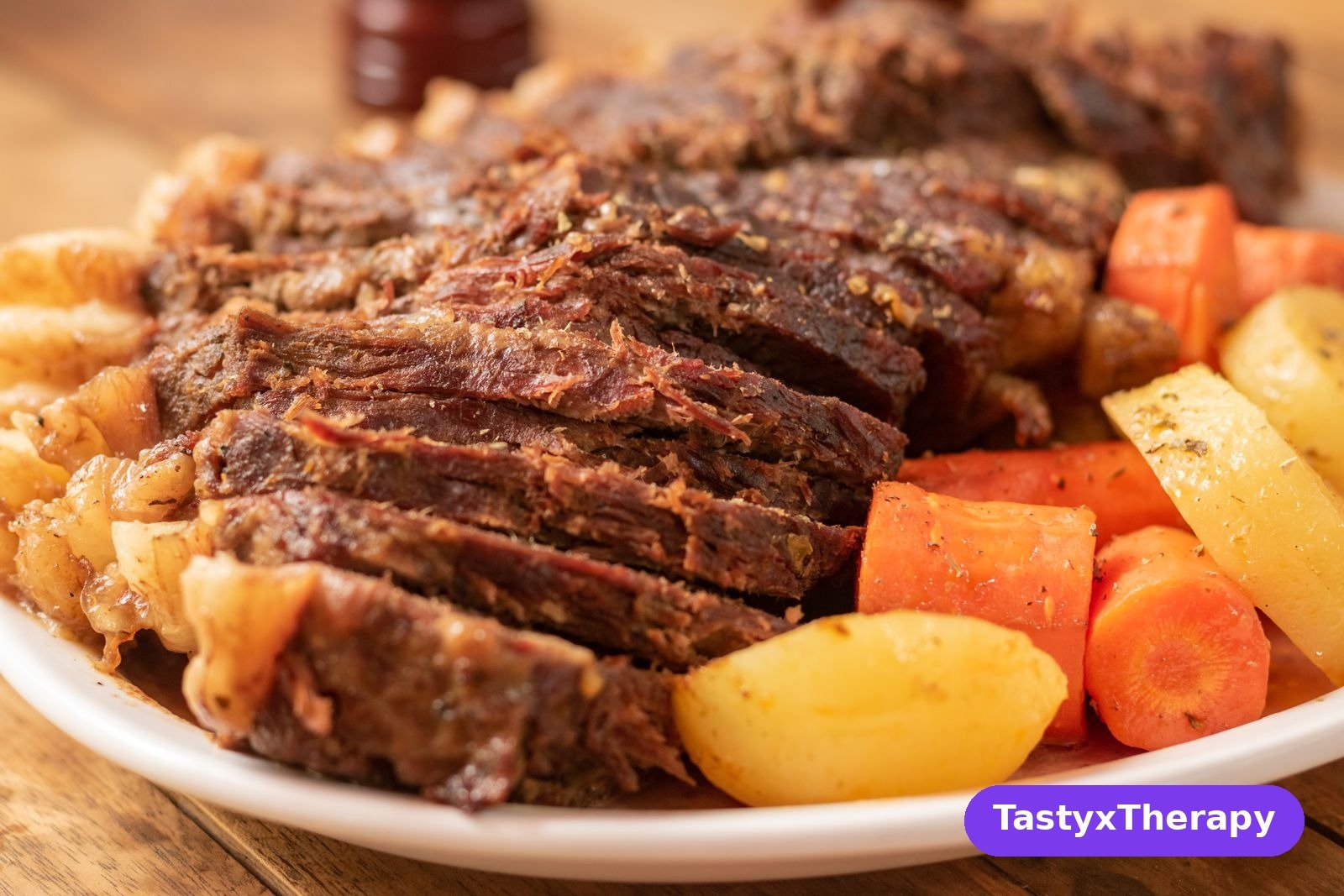
There is a particular kind of quiet that settles over a house when a pot roast is in the oven. It is not the quiet of nothing happening. It is the quiet of something good happening slowly, out of sight, while the smell of beef, onion, and thyme drifts down the hallway and pulls everyone toward the kitchen. This one-pan homestyle beef pot roast with vegetables is that kind of dinner — the kind you put together in the late afternoon and then mostly leave alone while it turns into the meal your family asks for again next Sunday.
I have made pot roast a lot of ways over the years. I have tried it in the slow cooker, in the pressure cooker, and in a plain old pot on the stove. The version I keep coming back to is this one: a chuck roast, seared hard in a heavy pan, then tucked into the oven with carrots, potatoes, onions, and a simple broth until it is so tender you can pull it apart with a fork. One pan, one pot, one dish to wash at the end, and a whole table full of people who are suddenly very hungry.
That is really the heart of this recipe. It is not fancy. It does not need a long list of ingredients or a special piece of equipment beyond a Dutch oven or any heavy, oven-safe pot with a lid. What it needs is time — about three hours in a low oven — and a little patience at the start, because the sear is where most of the flavor comes from. Everything after that is just letting the oven do the work.
If you are new here, welcome to TastyxTherapy, where the recipes are the cozy, practical kind — the ones you actually make on a Tuesday, not just save and forget. This pot roast fits right in. It feeds six generously, it tastes even better the next day, and the leftovers, if you are lucky enough to have any, make the best sandwiches you will eat all week.
A pot roast is one of those dishes that has been around forever for a very good reason. It takes a tough, affordable cut of beef and, through slow, moist heat, turns it into something rich and falling-apart tender. The vegetables cook in the same broth, soaking up all that flavor, so by the time dinner is ready you have a complete meal in a single pot — meat, vegetables, and a gravy that practically makes itself.
Why This Pot Roast Works
The short answer is that it respects the meat. Chuck roast is a hardworking cut. It comes from the shoulder of the animal, it has plenty of connective tissue and marbling, and if you try to cook it fast it will be tough and chewy. But give it low, slow, moist heat and all of that connective tissue melts into gelatin, which is what makes the meat so juicy and the cooking liquid so silky. That is the whole trick. There is no shortcut that does the same job as time.
Searing matters too, and it matters more than most people think. When you brown the roast on all sides in a hot pan, you are building flavor that no amount of seasoning added later can replace. The browned crust adds a deep, savory note to the whole pot, and the browned bits left in the pan dissolve into the broth and season everything from the inside out. Take the extra ten minutes. It is the difference between a pot roast that is fine and one that people remember.
Cooking the vegetables in the same pot is not just about saving dishes, although that is a real benefit. The carrots, potatoes, and onions cook in the beef broth, and the broth, in turn, picks up sweetness from the carrots and earthiness from the potatoes. By the end, nothing in the pot tastes like it was cooked separately. It all tastes like pot roast.
This recipe also belongs to a style of cooking I come back to again and again: everything in one pan, dinner on the table with very little fuss. If you like that way of cooking, the One-Pan & Skillet Meals collection has plenty more where this came from — weeknight dinners that ask for one pan and give you a full meal back.
Finally, this is a forgiving recipe, and I say that as someone who has burned, under-seasoned, and mistimed more dinners than I care to admit. If the roast needs another half hour, give it another half hour. If your potatoes are smaller than mine, they will cook a little faster, and that is fine. Pot roast does not punish small mistakes. It rewards patience, and that is about it.
Ingredients
Here is everything you need. Nothing exotic, nothing you cannot find at a regular grocery store. I have written the amounts the way I actually cook them, and the notes after each one are the little things I have learned from making this many, many times.
- 3 to 3½ pounds beef chuck roast — Look for a roast with good marbling, those white streaks of fat running through the meat. That fat is what keeps the roast moist over a long cook. A boneless chuck roast is easiest to slice, but a bone-in roast works too and adds a little extra flavor.
- 2 teaspoons kosher salt — Season generously. A big piece of meat needs more salt than you think.
- 1 teaspoon black pepper, freshly ground if you have it
- 1 teaspoon garlic powder
- 1 teaspoon sweet paprika — This is mostly for color and a gentle warmth, not heat.
- 2 tablespoons olive oil — For searing. Any neutral oil with a reasonably high smoke point works.
- 2 yellow onions, cut into thick wedges — Thick wedges hold their shape during a long braise. Thin slices will melt away entirely.
- 4 garlic cloves, minced
- 2 tablespoons tomato paste — This adds depth and a little sweetness to the broth. Cook it for a minute before adding liquid so it loses its raw edge.
- 2 cups low-sodium beef broth — Low sodium matters because the liquid reduces as it cooks, and regular broth can get too salty by the end.
- 1 cup water — Or a cup of dry red wine, if you like. The wine adds a lovely richness, and the alcohol cooks off completely.
- 2 tablespoons Worcestershire sauce — A small amount adds a savory, almost meaty depth that is hard to place but easy to miss if it is gone.
- 4 large carrots, peeled and cut into 2-inch chunks — Cut them big. Small pieces turn to mush over three hours.
- 1½ pounds baby potatoes, halved — Baby potatoes or small Yukon Golds hold their shape best. If you only have large potatoes, cut them into big chunks.
- 3 sprigs fresh thyme
- 2 sprigs fresh rosemary
- 2 bay leaves
- 2 tablespoons cornstarch mixed with 2 tablespoons cold water — Optional, for thickening the gravy at the end.
- Fresh parsley, chopped, for serving
A word about the herbs: fresh thyme and rosemary are worth buying for this recipe. Dried herbs work in a pinch — use a teaspoon of each, dried — but fresh sprigs tucked into the pot give the broth a cleaner, brighter flavor, and you just fish them out at the end. If you grow herbs on a windowsill, this is the recipe they were waiting for.
How to Make One-Pan Homestyle Beef Pot Roast with Vegetables
Step 1 — Heat the oven. Set the oven to 325°F (165°C). Move a rack to the lower third of the oven so your pot fits comfortably with the lid on.
Step 2 — Season the roast. Pat the chuck roast dry with paper towels. Moisture on the surface is the enemy of a good sear, so take a moment here. Rub the salt, pepper, garlic powder, and paprika all over the roast, pressing the seasoning in with your hands. Let it sit on the counter while the pan heats — ten or fifteen minutes at room temperature is plenty, and it helps the roast brown more evenly.
Step 3 — Sear the roast. Heat the olive oil in a large Dutch oven or heavy oven-safe pot over medium-high heat until it shimmers. Lay the roast in the pot and do not touch it for 4 to 5 minutes. You want a deep brown crust, not a pale gray surface. Flip it and brown the other side the same way, then use tongs to turn it and brown the edges too. This should take about 10 to 12 minutes in total. Transfer the roast to a plate.
Step 4 — Build the base. Turn the heat down to medium. Add the onion wedges to the same pot and cook them for 4 to 5 minutes, stirring now and then, until they soften and pick up some color from the browned bits on the bottom. Add the garlic and tomato paste and cook for one more minute, stirring constantly, until the tomato paste darkens slightly and smells sweet instead of sharp.
Step 5 — Deglaze. Pour in the beef broth and water, and scrape the bottom of the pot with a wooden spoon. All those browned bits stuck to the bottom are pure flavor, and this is where they come back into the dish. Stir in the Worcestershire sauce.
Step 6 — Assemble the pot. Return the roast to the pot, along with any juices that collected on the plate. Tuck the carrots and potatoes around the roast, nestling them down into the liquid. Lay the thyme, rosemary, and bay leaves on top. The liquid should come about halfway up the sides of the roast — it does not need to cover the meat completely. The lid and the steam take care of the rest.
Step 7 — Braise low and slow. Put the lid on and slide the pot into the oven. Cook for 3 to 3½ hours. After about 2 hours, take a quick look: the liquid should be at a gentle simmer, not a rolling boil. If it is bubbling hard, turn the oven down to 300°F. If it seems very quiet, nudge it up to 335°F. Every oven runs a little differently, and a gentle simmer is what you are after.
Step 8 — Check for tenderness. The roast is done when a fork slides into the thickest part with almost no resistance and the meat pulls apart easily. For a chuck roast, that usually means an internal temperature around 195 to 205°F — well past the temperature where beef is safe to eat, and exactly where the connective tissue has melted into tenderness. If it still resists the fork, put the lid back on and give it another 30 minutes. It will get there.
Step 9 — Rest the roast. Lift the roast out of the pot and set it on a cutting board. Tent it loosely with foil and let it rest for 15 minutes. This lets the juices settle back into the meat instead of running out onto the board when you slice it. While it rests, fish out the herb sprigs and bay leaves, and check the vegetables — they should be tender all the way through but still holding their shape.
Step 10 — Make the gravy (optional but worth it). If you like a thicker gravy, set the pot over medium heat on the stove. Whisk the cornstarch slurry into the simmering cooking liquid and cook for 2 to 3 minutes, stirring, until it thickens enough to coat the back of a spoon. Taste and add a pinch of salt or pepper if it needs it.
Slice the roast against the grain into thick slices, or pull it apart into chunks if it is fall-apart tender — both are correct, and honestly, whatever your roast wants to do is what you should let it do. Spoon the vegetables around the meat, ladle the gravy over the top, and scatter with fresh parsley.
If you would like to compare approaches, this classic pot roast method follows the same basic idea — sear, braise low and slow, rest — and it is a good reminder that the best pot roast recipes are all variations on one patient theme.
Tips for the Best Pot Roast
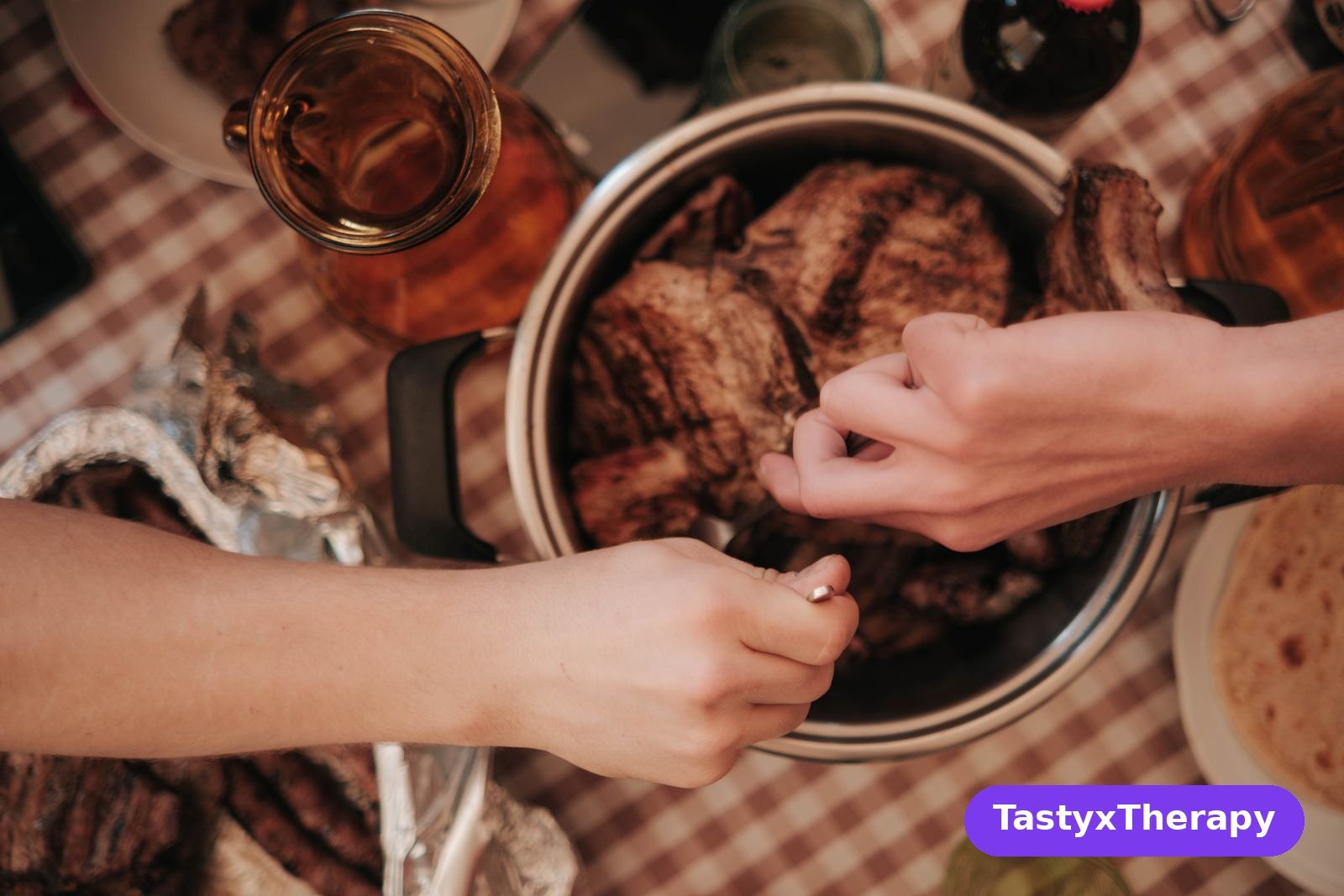
Do not skip the sear. I know it is tempting when you are short on time, but the sear is where the deep, roasty flavor comes from. A pale, unseared roast braised in broth will still get tender, but it will taste flat, and no amount of salt at the end will fix it. Ten minutes at the start saves the whole dish.
Keep the liquid level in check. The broth should come about halfway up the roast, not cover it. Too much liquid and the meat steams instead of braising, and the flavor gets diluted. Too little and the top dries out. Halfway is the sweet spot, and the lid does the rest of the work.
Cut the vegetables big. This is the mistake I see most often. Carrots cut into coins and potatoes cut into small cubes will be mush long before the roast is done. Two-inch carrot chunks and halved baby potatoes are the right size for a three-hour braise. If you like your vegetables very firm, you can even add them for the last hour and a half instead of at the start.
Let the roast tell you when it is done. Times are a guide, not a rule. Roasts vary in size, shape, and fat content, and ovens vary too. The fork test is the truth: if a fork twists easily into the meat and the fibers separate, it is ready. If it fights you, it needs more time. A tough pot roast is almost always just an undercooked pot roast, and the fix is always the same — more time, low heat, lid on.
Rest before slicing. Fifteen minutes feels like a long time when dinner smells this good, but it matters. A roast cut straight out of the pot loses its juices onto the cutting board. A rested roast keeps them, and the difference on the plate is real.
Save the cooking liquid. Even if you do not thicken it into gravy, that broth is gold. Strain it, cool it, and keep it for soup, for reheating leftovers, or for cooking rice. It has three hours of beef, onion, and herb flavor in it, and throwing it away would be a shame.
Variations
Once you have the basic method down, this pot roast is easy to make your own. The bones of the recipe — sear, braise, rest — stay the same, and the details are yours to play with.
Red wine pot roast. Swap the cup of water for a cup of dry red wine, something you would happily drink. The wine adds a deeper, slightly fruity richness to the gravy. Add it when you deglaze the pot so the alcohol has plenty of time to cook off.
Mushroom and onion pot roast. Add a pound of cremini mushrooms, halved, to the pot along with the onions, and let them brown in the drippings before you add the liquid. They soak up the beef flavor beautifully and make the gravy even richer.
A little heat. If your family likes a gentle kick, add a teaspoon of crushed red pepper flakes or a diced jalapeño with the onions. It will not make the dish spicy — just warm, in the background, in a way that makes the richness feel lighter.
Root vegetable swap. Parsnips, turnips, and sweet potatoes all work in place of some or all of the regular potatoes. Sweet potatoes cook faster, so add them for the last hour if you use them, or they will fall apart into the gravy — which, honestly, is not the worst thing that could happen to a gravy.
One-pan beef, another night. If this recipe gets you hooked on one-pan beef dinners, and I suspect it might, try our one-pan beef and broccoli stir-fry next. It is the weeknight version of the same idea — same comfort, about thirty minutes, and only one pan to wash.
Serving Ideas
Pot roast is a complete meal straight out of the pot, so you do not need much alongside it. But if you are feeding a crowd, or you just like a full table, here are the things that go best with it.
Crusty bread. This is the one thing I would not skip. A loaf of crusty bread, torn into pieces at the table, is made for soaking up gravy, and there will be gravy. Warm it in the oven for a few minutes while the roast rests.
A simple green salad. Something crisp and lightly dressed — mixed greens, cucumber, a little red onion, a sharp vinaigrette — cuts through the richness of the beef and gives the plate a fresh note. Keep the dressing simple; the roast is the star.
Buttered green beans or peas. If you want a second vegetable, green beans sautéed in butter with a little garlic take ten minutes and add color and snap to the plate. Frozen peas, warmed in butter with a pinch of salt, are just as good and even faster.
Mashed potatoes, if you are feeling generous. Yes, there are already potatoes in the pot. Yes, mashed potatoes on the side anyway is a wonderful idea. There is no rule against two kinds of potatoes at one dinner, and the people at your table will not complain.
A lighter one-pan night. For the nights when a three-hour roast is more than you have time for, our one-pan lemon chicken orzo is the quicker, brighter cousin of this dinner — one pan, lemony, and on the table in about forty minutes.
Storage and Reheating
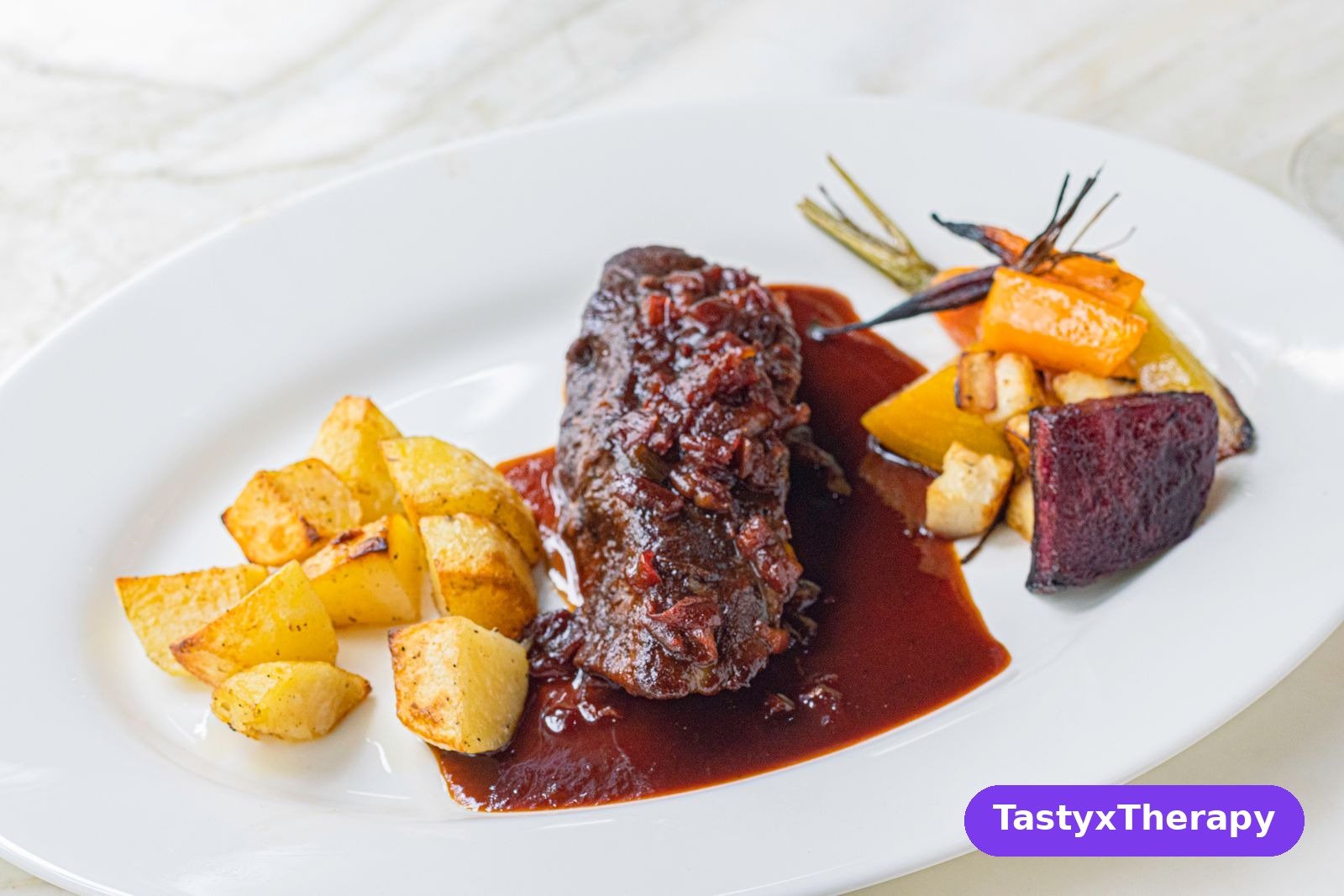
Pot roast keeps beautifully, which is one of the reasons it is such a good Sunday dinner — Monday’s dinner is already half made.
In the refrigerator. Let the roast and vegetables cool, then store them together in the cooking liquid in a covered container. The liquid keeps the meat moist, and this matters more than it sounds. It will keep for 3 to 4 days in the fridge. Slice only what you need each time, and keep the rest as one piece so it stays juicier.
In the freezer. Pot roast freezes well for up to 3 months. Slice or chunk the meat, pack it with the vegetables and some of the cooking liquid in freezer-safe containers or bags, and label them with the date. Thaw overnight in the refrigerator before reheating.
Reheating. The best way to reheat pot roast is gently, in its own liquid. Put the meat, vegetables, and broth in a covered pot over low heat for 15 to 20 minutes, until heated through. The microwave works too — use medium power, cover the plate, and add a splash of broth so the meat does not dry out. Avoid high heat, which tightens the meat back up and undoes all that slow cooking.
Leftover ideas. Shred leftover roast and pile it onto crusty rolls with some of the cooking liquid as a dip — a very good homemade version of a French dip sandwich. Or chop it into soup, stir it into pasta, or tuck it into tacos with pickled onions. A pot roast that feeds you twice is a pot roast that earned its place in the rotation.
FAQ
How long does it take to cook a beef pot roast?
A 3 to 3½ pound chuck roast takes about 3 to 3½ hours in a 325°F oven, plus about 15 minutes of searing at the start and 15 minutes of resting at the end. Plan on roughly 4 hours from start to table. Larger roasts need more time — add about 30 minutes per extra pound — and the fork test is always a better guide than the clock.
What is the best cut of beef for pot roast?
Chuck roast is the best choice, and it is not close. It has the right balance of fat and connective tissue, and it is affordable. Brisket and bottom round can work too, but brisket is leaner and can dry out, and bottom round is even leaner, so both need more watching. Chuck is forgiving, it shreds beautifully, and it is the cut butchers reach for when they make pot roast at home.
Can I make this pot roast in a slow cooker?
Yes. Sear the roast and cook the onions, garlic, and tomato paste on the stove first — that step is still worth doing — then transfer everything to a slow cooker with the broth, vegetables, and herbs. Cook on low for 8 to 9 hours or on high for 4 to 5 hours. The vegetables may get very soft on the low setting, so if you prefer them firmer, add the carrots and potatoes halfway through.
Why is my pot roast tough?
Almost always, because it needed more time. A chuck roast goes through a tough phase before it gets tender, and if you pull it out during that phase it will be chewy no matter what you do afterward. Put it back in the pot, lid on, low heat, and give it another 30 to 45 minutes. It is very hard to overcook a pot roast at 325°F, so patience is the fix nearly every time.
Can I freeze leftover pot roast?
Yes, and it freezes very well. Pack the meat with some of the vegetables and cooking liquid in freezer-safe containers, leaving a little room for expansion, and freeze for up to 3 months. Thaw overnight in the fridge, then reheat gently in the liquid on the stove. The texture holds up well because the meat is already braised and the liquid keeps it moist.